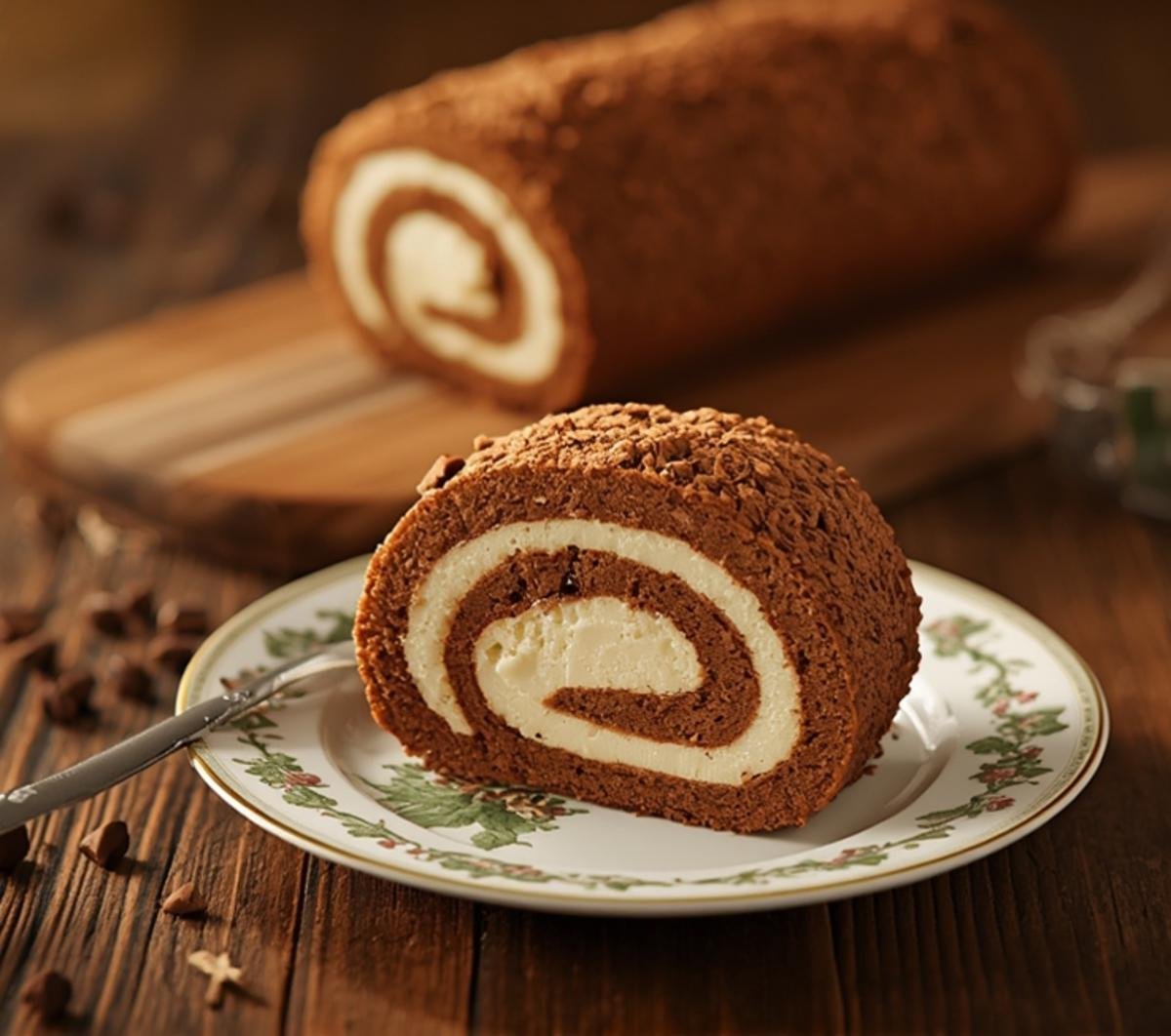
The kitchen counter was a battlefield. Flour dusted every surface, including my already-sticky glasses.
There was a suspicious-looking smudge of something brown near the sink. The dog, bless his heart, was trying to lick a stray drop of egg yolk off the floor. Just another Tuesday, I guess, trying to nail down this Coffee Swiss Roll.
It is not always pretty, this process, but when it works, wow. This particular coffee dessert had me wrestling with the batter, second-guessing my egg white peaks, and questioning my life choices for a solid hour. But the smell. Oh, that coffee smell. It made all the chaos worth it in the end.
What is a Coffee Swiss Roll?
So, what exactly is a Coffee Swiss Roll? It’s not your grandma’s plain ol’ sponge cake rolled up.
This is a light, airy chiffon cake infused with serious coffee flavor. We are talking espresso powder in the cake itself, and then a creamy, coffee-laced whipped cream filling.
It’s a swiss roll, sure, but with a kick. Think of it as a coffee cake’s elegant, rolled-up cousin. It is a delightful coffee dessert that looks fancy but is surprisingly forgiving.
Ingredients You’ll Need
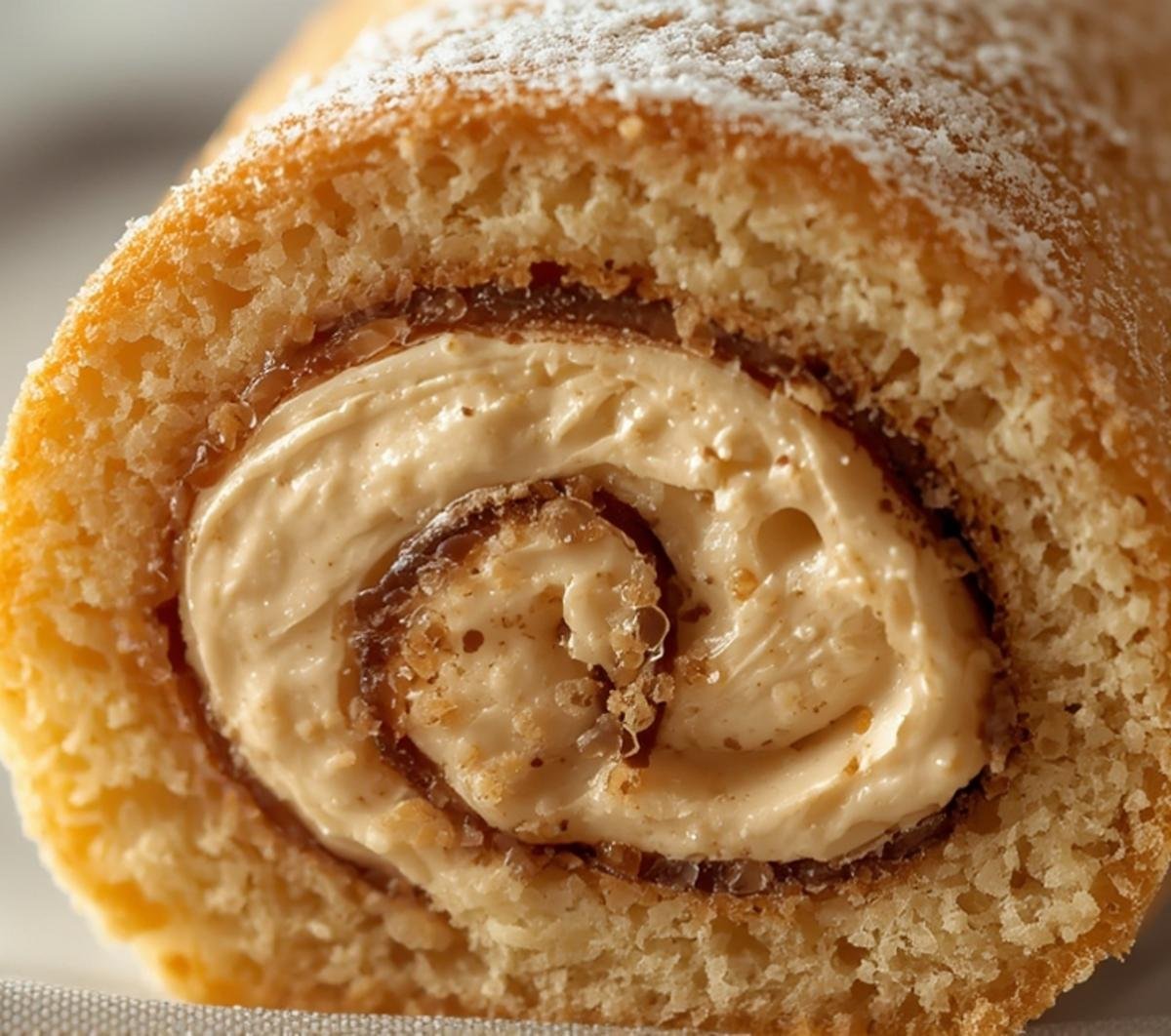
Getting the ingredients right is half the battle for a good Coffee Swiss Roll. Don’t skimp on room temperature eggs; they whip up so much better.
And make sure your whipping cream is ice cold. Seriously, colder than a banker’s heart.
Dry Ingredients
- 110 g cake flour
- 2 tablespoons espresso powder
- 1/2 teaspoon baking powder
- 150 g granulated sugar (divided into 100g + 50g)
- 1/4 teaspoon cream of tartar
Wet Ingredients
- 6 large eggs (room temperature)
- 50 g milk (dairy or non-dairy)
- 50 g oil (e.g. canola oil)
- 1 teaspoon vanilla extract
For the Icing
- 400 g whipping cream (cold)
- 40 g powdered sugar
- 1 1/2 teaspoon espresso powder
- 1 teaspoon vanilla extract
This Coffee Swiss Roll recipe aims for a balanced flavor. The espresso powder is key, providing that deep coffee punch without being bitter.
We use cake flour for a tender crumb, essential for a good swiss roll. And while you can use regular sugar, finely granulated sugar dissolves better, preventing grittiness in the cake layers.
How to Make a Coffee Swiss Roll
This is where the real fun begins. Don’t be intimidated; it is a few steps, but each one is pretty straightforward.
Step 1: Prepare the Baking Pan and Separate Eggs
First things first, get your oven preheating to 350°F (175°C). Grab a 12×17 inch baking tray and use parchment paper to line just the bottom.
Next, separate your eggs. Be careful, as a single drop of yolk can wreck your meringue.
Step 2: Make the Meringue and Egg Yolk Base
In the bowl with the egg whites, toss in the cream of tartar. Beat them with a hand mixer until you have stiff peaks.
In the other bowl, whisk the egg yolks with sugar, milk, oil, and vanilla until smooth.
Step 3: Combine and Sift
Grab a sieve and sift your cake flour, espresso powder, and baking powder into the egg yolk mixture. Use your mixer on low speed, just until the flour disappears.
Step 4: Fold It All Together
Take about a third of your stiff meringue and gently fold it into the egg yolk batter. Add the rest of the meringue and continue folding until no white streaks remain.
Step 5: Fill the Pan and Bake
Pour the batter into your prepared tray and spread it evenly with an offset spatula. Bake for about 13 to 14 minutes until lightly browned.
Step 6: The Flip and Roll
Flip the cake onto a fresh sheet of parchment. While it is still warm, roll the cake up from a short end, parchment and all, and let it cool completely.
Step 7: Whip the Cream and Assemble
Once cool, unroll the cake and spread your whipped cream mixture evenly across the surface. Leave about an inch bare at the far end to prevent leaking.
Step 8: The Final Roll and Chill
Roll it up again without the parchment and wrap it tightly in plastic wrap. Refrigerate for at least 3 hours, or preferably overnight.
Tips for a Perfect Swiss Roll
Don’t get discouraged if your first Coffee Swiss Roll isn’t magazine-perfect. The temperature of your eggs is surprisingly important for the meringue.
Avoid over-whipping the egg yolks with the flour to prevent a tough cake. You can explore more Coffee Swiss Roll tips and variations here.
Storage and Serving Suggestions
Wrap leftover roll tightly in plastic and keep in the fridge for up to 3 days. Use a serrated knife to cut clean, 1 to 1.5-inch slices.
It pairs perfectly with a cup of coffee or tea. We have covered how to make this delicious coffee dessert, transforming simple ingredients into a stunning result.
Frequently Asked Questions
Why is my Swiss roll cracking?
Cracking usually happens if the cake is overbaked, cooled too quickly, or rolled too tightly while still hot. Make sure to bake just until done and roll while still warm.
Can I use regular flour instead of cake flour?
You can, but it will result in a denser cake. Cake flour is preferred for the delicate chiffon texture.
How do I get my whipped cream to be stiff enough?
Ensure your ingredients and bowl are very cold. Do not over-whip, or you will end up with butter.
Can I make this ahead of time?
Yes, you can bake the cake layer and store it wrapped. The filling can be whipped fresh before assembly.
My espresso powder is clumping, what should I do?
Store in an airtight container in a dry place. You can whisk in a tiny bit of cornstarch if it clumps before adding to the batter.
Alright, that’s it from our kitchen to yours. Hope you give this Coffee Swiss Roll a whirl. Don’t mind the mess.
Coffee Swiss Roll
Ingredients
- 6 large eggs room temperature
- 1/4 teaspoon cream of tartar
- 150 g granulated sugar divided into 100g + 50g
- 50 g milk dairy or non-dairy
- 50 g oil e.g. canola oil
- 1 teaspoon vanilla extract
- 110 g cake flour
- 2 tablespoons espresso powder
- 1/2 teaspoon baking powder
- 400 g whipping cream cold
- 40 g powdered sugar
- 1 1/2 teaspoon espresso powder
- 1 teaspoon vanilla extract
Instructions
- Preheat oven to 350°F. Line a 12x17" baking tray with parchment paper cut to size on the bottom only and set aside.
- Separate the egg whites and egg yolks into two large mixing bowls, being careful not to get any yolk in the egg whites. Set the bowl of egg yolks aside.
- To the egg whites, add cream of tartar. Use an electric hand mixer to beat the egg whites on low-medium speed until they become frothy. Add 100g of sugar, one spoonful at a time, mixing in between each addition. After all the sugar has been added, continue beating on medium-high speed until the meringue becomes stiff peaks.
- To the egg yolks, add the remaining 50g of sugar. Use the same hand mixer to mix until combined. Add the milk, oil, and vanilla extract and mix until combined.
- Hold a fine mesh sieve above the mixing bowl and add in the flour, espresso powder, and baking powder. Sift them into the egg yolk mixture. Mix on low speed until the flour has just combined.
- Add about ⅓ of the egg white meringue into the egg yolk mixture and fold together with a spatula. Add the rest of the meringue and fold together until no streaks remain.
- Pour the batter into your lined baking tray. Use an offset spatula to spread the batter into the corners and edges of the pan and smooth the batter into an even layer.
- Bake for 13-14 minutes or until the edges are lightly browned and the top of the cake sheet is puffed up.
- Let the cake cool on a wire rack for 5 minutes. Run an offset spatula around the edges to release, flip the cake onto a rack, and peel off the parchment paper. Place a fresh sheet of parchment paper on top and flip the cake onto it.
- While the cake is still warm, roll the cake up with the parchment paper starting from a short end. Let the cake cool completely in this rolled-up log shape.
- To a mixing bowl, add the whipping cream, powdered sugar, espresso powder, and vanilla extract. Whip until it becomes stiff peaks.
- Unroll your cooled cake sheet. Spread the whipped cream into a thick, even layer, leaving the last 1" at the end empty.
- Roll the cake up again. Place a sheet of plastic wrap next to the cake to roll it onto, remove excess cream, and wrap tightly. Chill in the fridge for at least 3 hours or overnight.
- Before serving, use a serrated knife to cut off about ½" off both ends of the roll, then cut into 1-1.5" slices.