In my kitchen, I’m always looking for ways to enjoy bold Asian flavors without the heavy carbs of traditional noodles. This Spaghetti Squash Pad Thai was born from a craving for takeout on a busy Tuesday night. By swapping out rice noodles for roasted spaghetti squash, I created a dish that’s just as satisfying as the original but much lighter. The natural sweetness of the squash pairs perfectly with the tangy tamarind sauce, creating a healthy low-carb twist that doesn’t compromise on taste.

Ingredients & Equipment
Ingredients
For the sauce, you’ll need tamarind paste, fish sauce (use a vegetarian version for a true vegetarian pad thai), coconut aminos, lime juice, and a touch of coconut sugar or maple syrup. I prefer coconut aminos over soy sauce because it’s naturally gluten-free and adds a subtle sweetness. For the stir-fry, grab a medium spaghetti squash, eggs (omit for vegan), firm tofu or tempeh, bean sprouts, scallions, garlic, and a pinch of red pepper flakes. Topping it off with crushed peanuts, cilantro, and fresh lime wedges is essential for that authentic texture and brightness.
Equipment
You don’t need fancy gear for this Spaghetti Squash Pad Thai. A sharp chef’s knife and a sturdy spoon are the most important tools for handling the squash. A large skillet or wok is ideal for stir-frying the vegetables and tofu quickly. A small whisk or fork helps emulsify the sauce ingredients before they hit the hot pan. If you don’t have a wok, a large cast-iron skillet works beautifully to get a nice sear on the tofu and veggies, which is key for depth of flavor in any healthy pad thai.
Prep & Cook Time
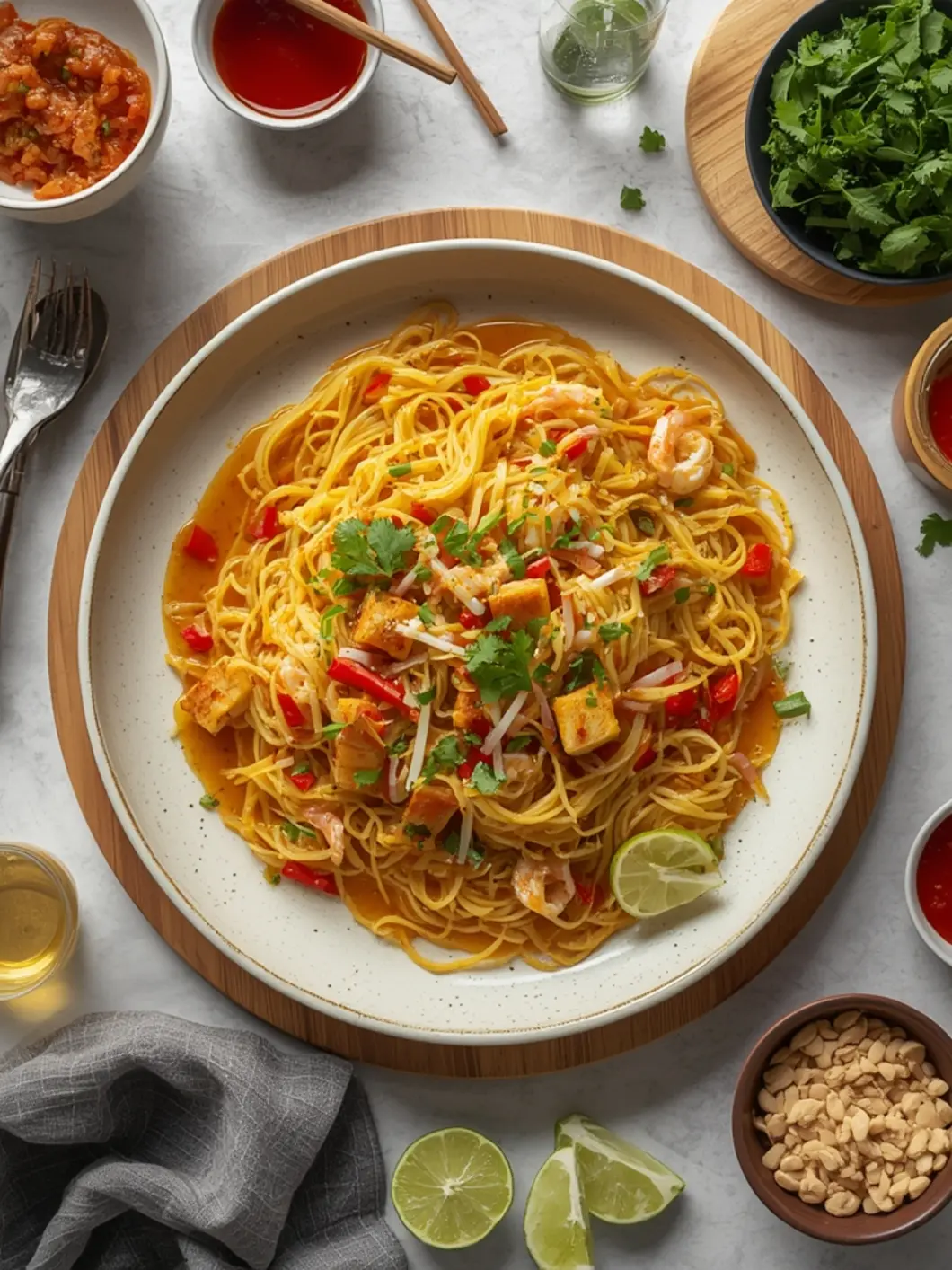
I’ve found that roasting the spaghetti squash is the most time-consuming part, taking about 40 minutes from start to finish. However, you can speed this up by microwaving the squash for 5-10 minutes to soften it before cutting and roasting. The actual stir-frying happens fast—once your ingredients are prepped, the dish comes together in under 10 minutes. This makes it a fantastic candidate for a low carb pad thai that fits into a busy weeknight schedule without sacrificing quality.
- Prep Time: 15 minutes
- Cook Time: 45 minutes
- Total Time: 1 hour
- Difficulty: Easy to Medium
Step-by-Step Instructions
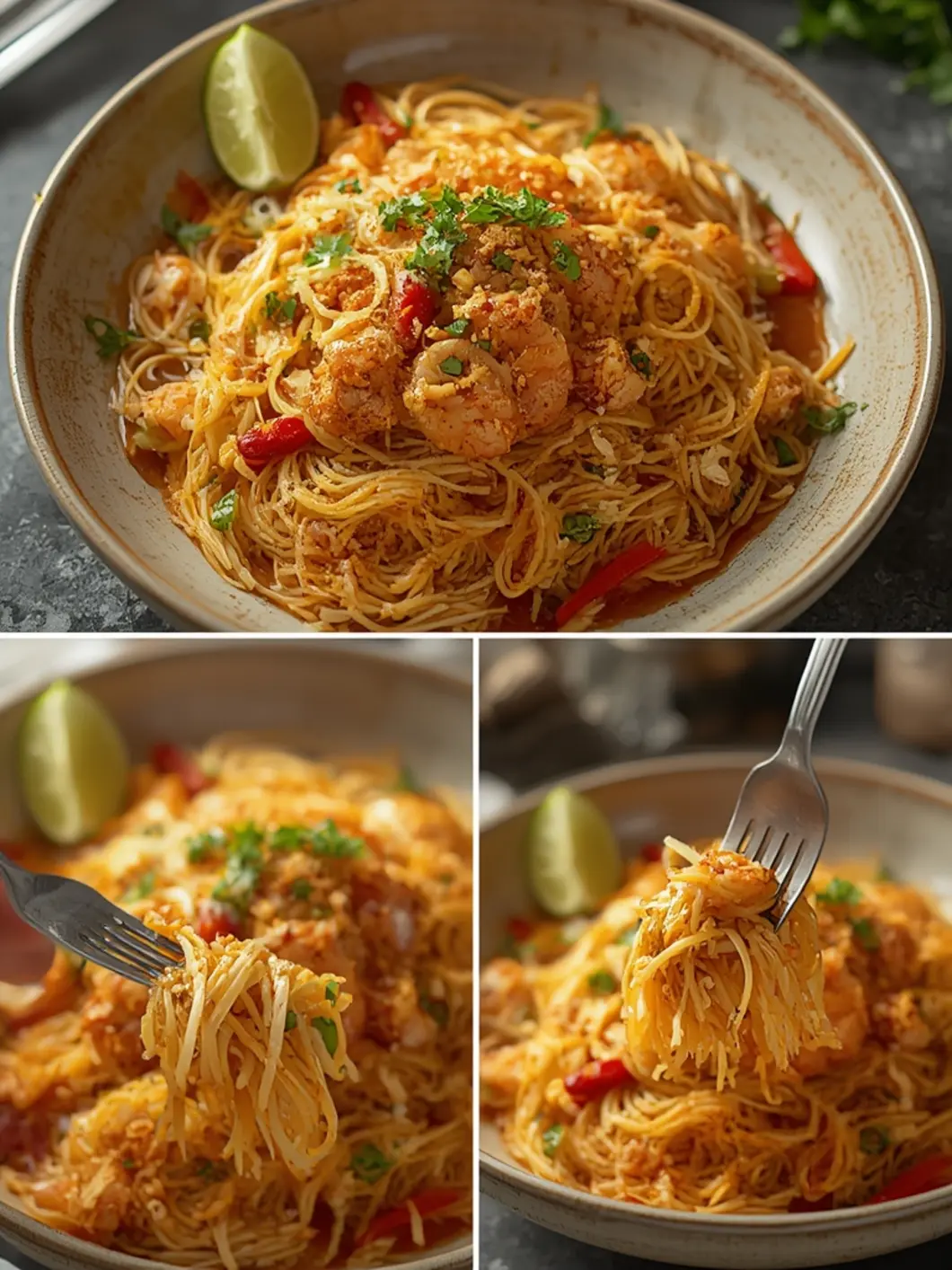
1. Roast the Spaghetti Squash
Preheat your oven to 400°F (200°C). Carefully slice the spaghetti squash in half lengthwise and scoop out the seeds. Brush the cut sides with a little oil and season with salt and pepper. Place cut-side down on a baking sheet and roast for 35-40 minutes, or until the flesh is tender and easily shreds with a fork. Let it cool slightly before shredding into noodles with a fork. This step is the foundation of any great spaghetti squash recipes.
2. Make the Sauce
While the squash roasts, whisk together the tamarind paste, vegetarian fish sauce, coconut aminos, lime juice, and coconut sugar in a small bowl. This balance of sweet, sour, salty, and umami is what defines a proper pad thai. Taste the sauce and adjust it to your preference; it should be tangy and bold. Set this aside, as you’ll add it at the very end of the cooking process to prevent burning the sugars.
3. Stir-Fry the Protein and Veggies
Heat a tablespoon of oil in your wok or large skillet over medium-high heat. Add your protein—cubed tofu or tempeh—and cook until golden and crisp on all sides. Push the protein to one side and add minced garlic, the white parts of the scallions, and a pinch of red pepper flakes. Sauté for 30 seconds until fragrant, then add the bean sprouts and any other quick-cooking vegetables you might be using.
4. Combine and Finish
Add the shredded spaghetti squash noodles to the pan. Toss everything together to warm the squash through. Push the ingredients to the sides to create a well in the center of the pan and crack in your egg (if using), scrambling it quickly before mixing it in. Turn off the heat and pour the prepared sauce over everything. Toss vigorously to coat the noodles evenly without making them soggy. Garnish with green parts of scallions, cilantro, and crushed peanuts before serving immediately.
Why You’ll Love This Recipe / Health Benefits
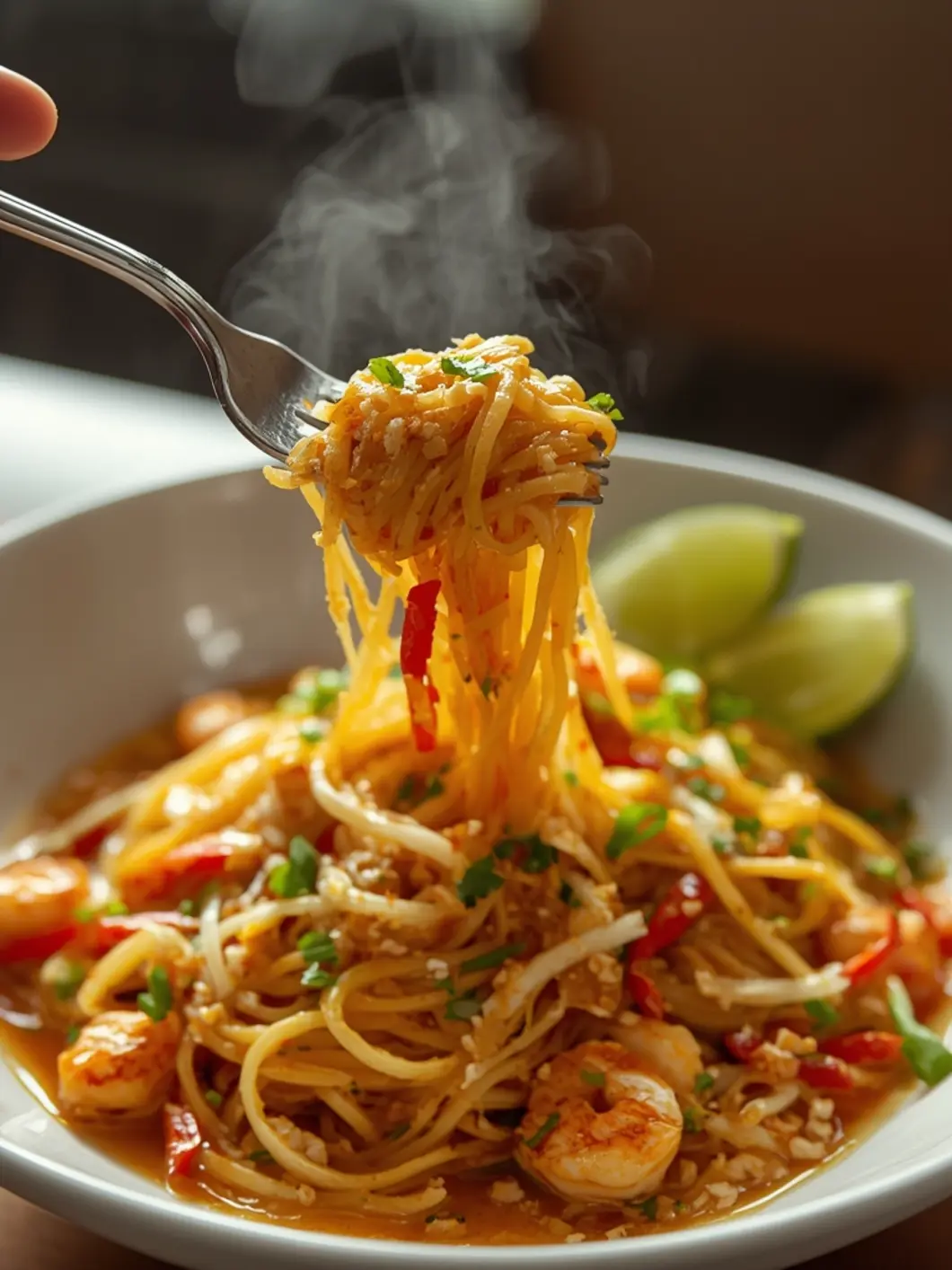
This dish is a game-changer for anyone seeking a lighter version of their favorite takeout. The primary benefit is the dramatic reduction in carbohydrates and calories compared to traditional wheat-based noodles. Spaghetti squash is rich in vitamins A and C, and it provides fiber that aids digestion and keeps you full longer. This recipe truly shines as a spaghetti squash recipes alternative to classic noodle dishes.
Exploring healthy pad thai options doesn’t mean you have to miss out on flavor. By using whole, unprocessed ingredients and a homemade sauce, you control exactly what goes into your meal—avoiding excess sugar and preservatives often found in restaurant versions. This approach makes it easier to maintain a balanced diet while still enjoying the foods you love.
For those specifically watching their carb intake, this qualifies as a perfect low carb pad thai. The spaghetti squash base has a much lower glycemic index than rice noodles, helping to stabilize blood sugar levels. It’s an excellent choice for anyone following a keto, low-carb, or simply a mindful eating lifestyle.
Making a delicious vegetarian pad thai at home is also incredibly empowering. It allows for total customization to suit your dietary needs or preferences. Whether you skip the egg for a vegan version or double up on the tofu for extra protein, this recipe is a flexible canvas for your culinary creativity.
Finally, the convenience factor cannot be overstated. This is one of those easy weeknight dinner recipes that feels gourmet but comes together with minimal fuss. It’s a reliable way to get a nourishing, colorful meal on the table in about an hour, proving that healthy cooking doesn’t have to be complicated or boring.
Variations, Substitutions, or Serving Suggestions
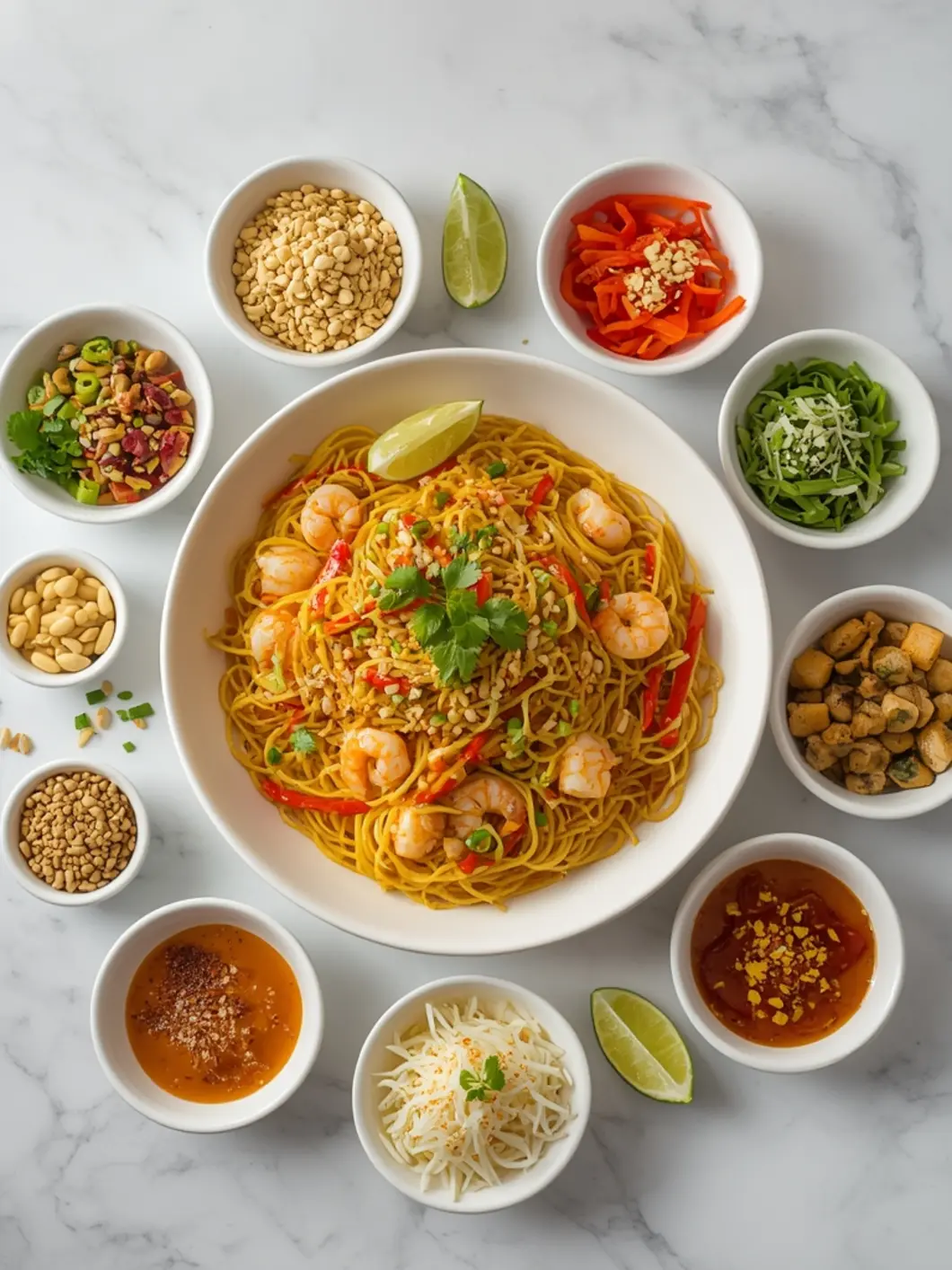
If you aren’t strictly vegetarian, feel free to use chicken, shrimp, or even thin strips of beef instead of tofu. For a vegan version of this Spaghetti Squash Pad Thai, scramble firm tofu with a pinch of turmeric and black salt (kala namak) for an “eggy” flavor, or simply use extra firm tofu and vegetables. You can also swap the peanut topping for toasted sunflower seeds or pumpkin seeds for a nut-free crunch.
The vegetables are another area for creativity. While bean sprouts and scallions are traditional, I often add thinly sliced bell peppers, broccoli florets, or snap peas for extra color and nutrition. Sautéing them just until tender-crisp ensures they retain their bite. This variety keeps the dish exciting and is a great way to use up whatever produce you have on hand, which is a hallmark of my approach to creating spaghetti squash recipes.
For serving suggestions, I love keeping it simple with a wedge of lime and a sprinkle of chili flakes on the side. If you’re feeling fancy, a side of quick-pickled carrots and daikon radish adds a lovely acidic crunch. This dish pairs wonderfully with a crisp cucumber salad or a light miso soup. The goal is to complement the rich, tangy flavors of the healthy pad thai without overwhelming the palate.
Common Cooking Mistakes to Avoid
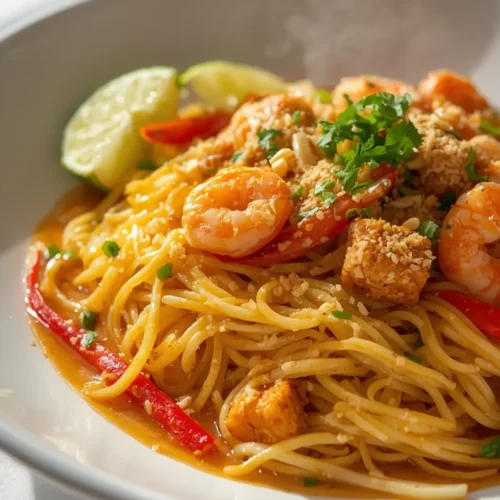
One common mistake I’ve made (and seen others make) is overcooking the spaghetti squash until it becomes mushy. You want it to hold its noodle-like shape, so check for doneness frequently. It should be just tender enough to shred easily. If you roast it for too long, it will release too much water and turn your low carb pad thai into a soggy mess.
Another pitfall is adding the sauce too early in the cooking process. Because the sauce contains natural sugars from tamarind and coconut sugar, it can burn quickly if added to a hot pan and left to sit. Always add the sauce at the very end, after you’ve turned off the heat, and toss immediately to coat everything evenly.
Finally, don’t skip the textural elements. A vegetarian pad thai that lacks crunch is a missed opportunity. The crushed peanuts, fresh bean sprouts, and crisp-tender tofu are what make this dish satisfying. Skipping the garnishes turns a vibrant meal into a one-note dish that may feel less satisfying.
Storage & Reheating Tips
Spaghetti squash is best enjoyed fresh because it can become watery when stored and reheated. However, if you have leftovers, store them in an airtight container in the refrigerator for up to 3 days. The sauce will continue to absorb into the noodles, so the flavor actually improves overnight, though the texture may soften.
To reheat, use a skillet over medium heat for the best results. A microwave can work in a pinch, but it tends to make the squash rubbery and can release more water. Adding a splash of water or a fresh squeeze of lime during reheating can help revive the dish. I often treat leftovers as a base for a frittata or scramble them with some eggs for a unique brunch idea, which is a creative way to use up easy weeknight dinner remnants.
Conclusion
This Spaghetti Squash Pad Thai proves that you don’t need to sacrifice flavor for health. It brings together the best of both worlds: the nostalgic, comforting taste of traditional pad thai and the nutritional benefits of a vegetable-based meal. By mastering this recipe, you gain a versatile tool for eating well that fits into your lifestyle without feeling restrictive.
Whether you’re a seasoned home cook or just starting your journey with spaghetti squash recipes, this dish is approachable and rewarding. It encourages you to experiment with flavors and textures while staying grounded in wholesome ingredients. I hope this becomes a regular rotation in your kitchen, just as it is in mine.
FAQs
Is this recipe truly gluten-free?
Yes, this Spaghetti Squash Pad Thai is naturally gluten-free. The key is to ensure you use a gluten-free soy sauce alternative, such as coconut aminos, which is a staple in my pantry for making healthy pad thai.
Can I make this dish ahead of time?
You can prep the components separately up to a day in advance. Roast the squash and make the sauce, then store them in the fridge. When you’re ready to eat, stir-fry the tofu and veggies and combine everything for a quick assembly.
What if I can’t find tamarind paste?
Tamarind paste gives the signature tangy flavor to low carb pad thai. If you can’t find it, a mix of equal parts lime juice and rice vinegar can work in a pinch, though the flavor will be slightly different.
Is this dish good for meal prep?
While spaghetti squash can get watery after a few days, this is still a viable meal prep option. Store components separately and combine portions daily. It’s an excellent choice for an easy weeknight dinner when you have the sauce and squash ready to go.
How do I know when the spaghetti squash is cooked perfectly?
The best test is to run a fork through the flesh. It should come away easily in long, noodle-like strands. If you have to force it or it seems pulpy, it likely needs a few more minutes in the oven. Perfecting this step is the secret to great spaghetti squash recipes.
Easy Spaghetti Squash Pad Thai (Healthy Low-Carb)
Equipment
- Large Skillet or Wok
- Baking sheet
- Whisk or Fork
- Large bowl
Ingredients
Main Ingredients
- 1 medium spaghetti squash halved and seeds removed
- 1 tbsp olive oil plus extra for rubbing
- 1 cup shredded carrots
- 1 cup red bell pepper thinly sliced
- 3 cloves garlic minced
- 2 large eggs lightly beaten
Pad Thai Sauce
- 1/4 cup tamarind paste
- 2 tbsp low-sodium soy sauce or tamari
- 1 tbsp rice vinegar
- 1 tbsp honey or maple syrup
- 1 tbsp fresh lime juice
- 1 tsp fresh ginger grated
- 1/2 tsp crushed red pepper flakes optional
Garnish
- 1/2 cup roasted peanuts chopped
- 2 tbsp fresh cilantro chopped
- 1 tbsp green onions sliced
- 1 extra lime wedges
Instructions
- Preheat your oven to 400°F (200°C). Rub the cut sides of the spaghetti squash with a little olive oil and sprinkle with salt and pepper.
- Place the squash halves cut-side down on a baking sheet. Roast for 20-25 minutes, or until the flesh is tender and easily shreds with a fork.
- While the squash roasts, whisk together all sauce ingredients in a small bowl: tamarind paste, soy sauce, rice vinegar, honey, lime juice, ginger, and red pepper flakes.
- Heat 1 tbsp olive oil in a large skillet or wok over medium-high heat. Add carrots and bell pepper, and sauté for 3-4 minutes until slightly softened.
- Push veggies to one side of the skillet. Add minced garlic and cook for 30 seconds until fragrant, then pour the beaten eggs into the empty space. Scramble until just set.
- Use a fork to shred the roasted spaghetti squash strands into the skillet. Pour the prepared sauce over everything and toss gently to combine. Cook for 2-3 minutes to heat through.
- Serve immediately, garnished with chopped peanuts, fresh cilantro, green onions, and lime wedges on the side.