When you’re racing against the clock on a Tuesday night, nothing beats a bowl of warm, silky Pesto Pasta. Over the years, I’ve refined this technique to rely on just three simple components. It’s a recipe born from necessity in my own kitchen, a way to capture vibrant garden flavor without a long ingredient list.
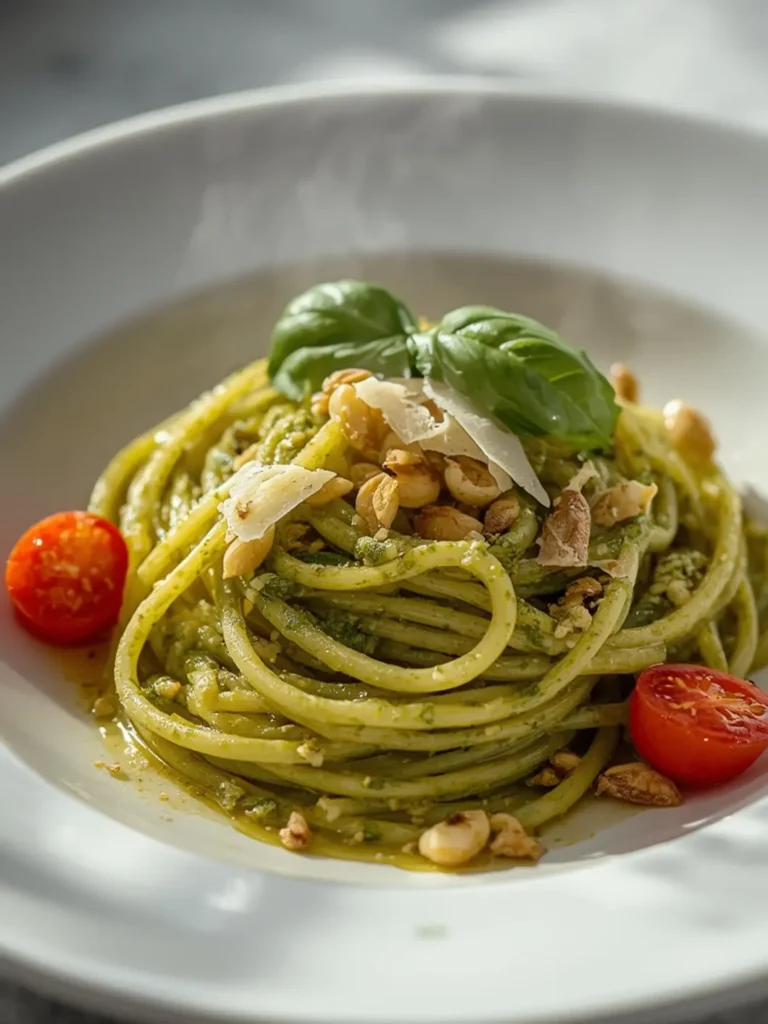
This approach is perfect for anyone seeking easy pasta recipes that don’t compromise on taste. We are stripping away the noise to focus on quality ingredients and smart technique. If you have been looking for quick meals that actually taste homemade, this is the one to bookmark.
Ingredients & Equipment
To make this truly work, the quality of your ingredients matters more than the quantity. Since we are using only three items, each one needs to pull its weight.
- High-Quality Pasta: I prefer bronze-die extruded pasta for that rough texture that holds onto sauce. Fettuccine or linguine works best here, but any shape you have in the pantry is fine.
- Basil Pesto: You can use a store-bought jar for convenience, but a homemade version elevates this dish immensely. If you are buying it, look for a refrigerated tub over shelf-stable ones; the flavor is significantly fresher.
- Parmesan Cheese: Freshly grated Parmigiano-Reggiano is non-negotiable. Pre-grated varieties often contain anti-caking agents that prevent smooth melting.
Equipment:
- Large pot for boiling water
- Colander or strainer
- Large skillet or sauté pan
- Tongs or a pasta fork
- Microplane or grater
Prep & Cook Time
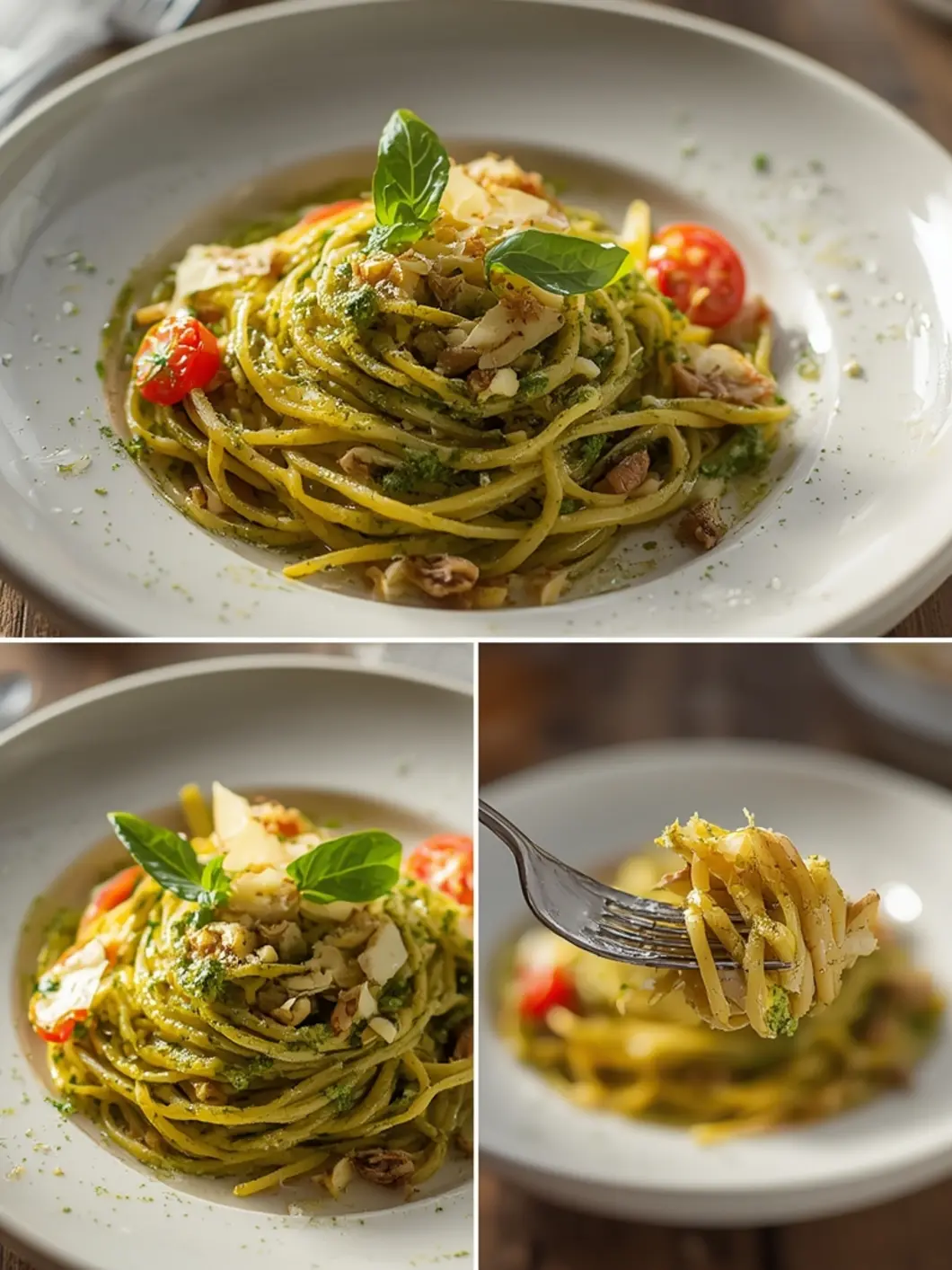
This recipe is designed for a 15 minute meals window, making it ideal for busy weeknights.
- Prep Time: 2 minutes (measuring ingredients, grating cheese)
- Cook Time: 10–12 minutes (boiling pasta, tossing with sauce)
- Total Time: 12–14 minutes
- Difficulty: Very Easy
Because the cooking time moves quickly, have all your ingredients measured and within arm’s reach before you turn on the stove. This organization is the secret to a stress-free cooking experience.
Step-by-Step Instructions
1. Boil the Water
Fill your large pot with water and bring it to a rolling boil. Once boiling, salt the water generously—it should taste like the ocean. This is the only time you can season the pasta itself. Add the pasta and cook according to package instructions, but set your timer for 1 minute less than recommended.
2. Reserve Pasta Water
Before draining, scoop out about one cup of the starchy cooking liquid. This is “liquid gold.” The starch in the water helps the pesto emulsify and cling to the noodles, preventing a dry dish. Drain the pasta, but do not rinse it.
3. Combine and Toss
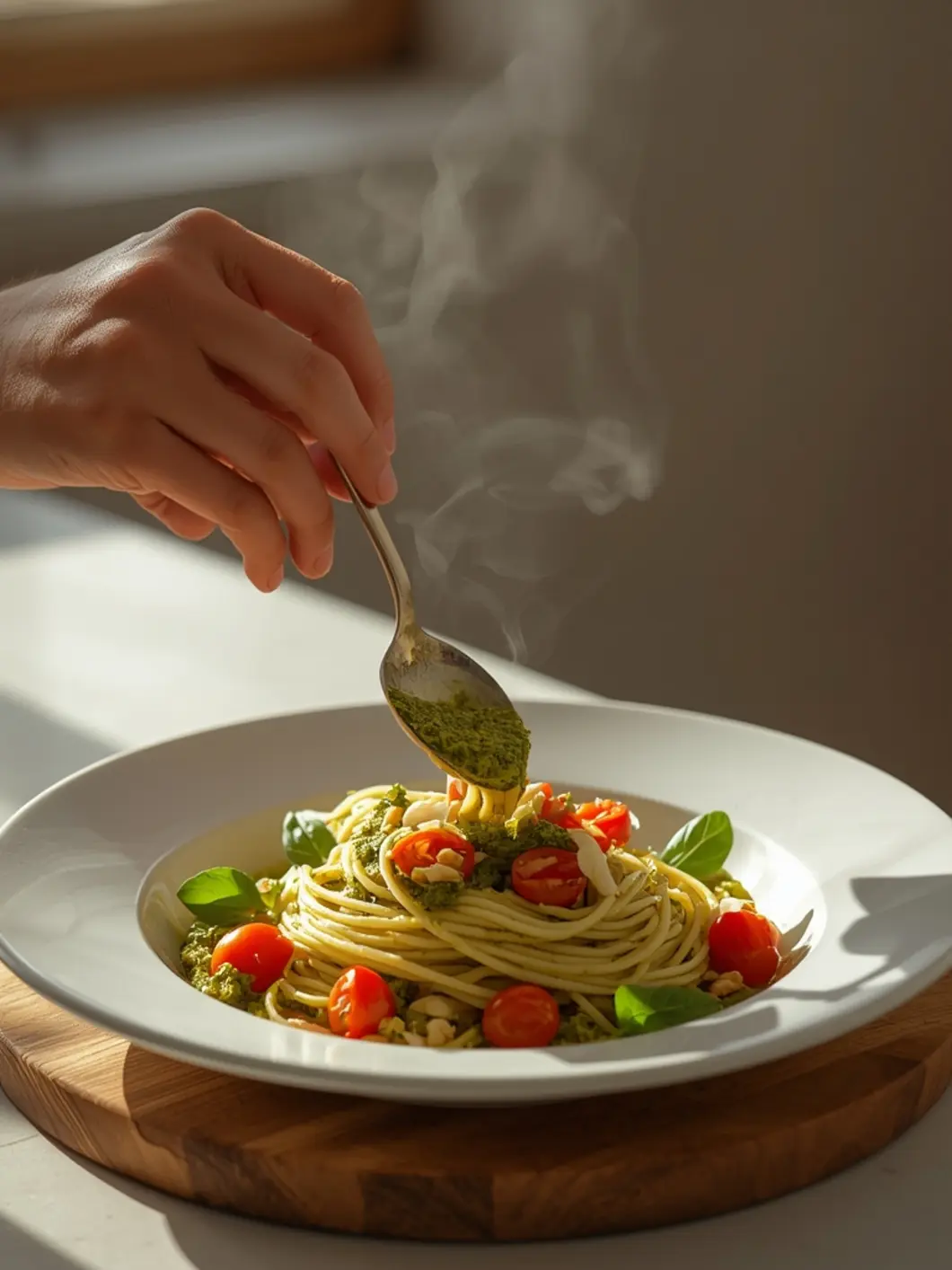
Immediately transfer the hot, drained pasta back into the pot or into a large skillet set over low heat. Add a generous dollop of pesto and a splash of the reserved pasta water. Toss vigorously for 2 minutes. The heat from the pasta will warm the pesto, and the water will create a creamy coating.
4. Finish with Cheese
Remove the pot from the heat. Sprinkle in the freshly grated Parmesan cheese and toss once more. If the sauce feels too thick, add another splash of pasta water. The residual heat will melt the cheese without separating the oils. Serve immediately.
Why You’ll Love This Recipe / Health Benefits
If you are exploring vegetarian dinner options, this dish proves that comfort food doesn’t need meat to be satisfying. The basil in the pesto is packed with antioxidants and essential oils, while the olive oil base provides heart-healthy monounsaturated fats.
For those diving into easy pasta recipes, this dish offers a perfect balance of macronutrients. The cheese and pasta provide protein and carbohydrates for energy, while the pesto delivers healthy fats and vitamins.
It’s also incredibly versatile for your collection of pasta recipes. Whether you are cooking for one or a small family, this scales up or down effortlessly. The simplicity ensures you aren’t spending an hour in the kitchen, which is exactly what makes it one of the best 3 ingredient recipes for beginners.
Variations, Substitutions, or Serving Suggestions
If you want to pivot this into a heartier meal, roasted cherry tomatoes or sautéed mushrooms make excellent additions. These vegetables pair beautifully with the herbal notes of the pesto without overwhelming the dish. This turns a simple meal into a robust dinner centerpiece.
For a gluten-free variation, swap the wheat pasta for a chickpea or rice-based alternative. Just be aware that gluten-free pasta tends to release less starch, so you might need less pasta water to bind the sauce. The flavor profile of the Pesto Pasta remains largely unchanged.
Serving suggestions are simple: a crisp green salad and a slice of crusty bread. The bread is essential for scraping the remaining sauce from the bowl. For a crunchy texture, top with toasted pine nuts, though this adds a fourth ingredient, so keep it optional based on your pantry.
Common Cooking Mistakes to Avoid
A common error is overheating the pesto. Pesto is a raw sauce; boiling it destroys the fresh basil’s bright green color and delicate flavor. Always toss the pesto with the pasta off the heat or over the lowest possible flame.
Another mistake is drowning the pasta in sauce too early. You can always add more pesto, but you can’t take it away. Start with a conservative amount, use the pasta water to loosen it, and adjust to your preference. This ensures the pasta flavor shines through, not just the basil.
Finally, do not rinse your pasta after draining. Rinsing washes away the surface starch needed to help the sauce adhere. If you are making quick meals, the last thing you want is a slippery bowl of noodles with sauce pooling at the bottom.
Storage & Reheating Tips
Pesto pasta is best enjoyed fresh, but leftovers can be stored in an airtight container in the refrigerator for up to 3 days. The pasta will absorb the sauce as it sits, so the texture changes slightly, becoming softer. When storing, press a piece of parchment paper directly onto the surface to minimize oxidation of the basil.
Reheating requires a gentle touch to preserve the integrity of the dish. The microwave is convenient, but it can overcook the noodles and separate the oils. Instead, reheat leftovers in a skillet over low heat with a tablespoon of water or broth.
Stir continuously until the dish is warmed through. This method helps revive the sauce and returns the texture closer to the original. While this is one of the best 15 minute meals to make fresh, the reheated version is still a satisfying lunch.
Conclusion
This three-ingredient recipe proves that great cooking doesn’t require a complex shopping list. By focusing on the technique of emulsifying pesto with pasta water, you create a restaurant-quality dish in under 15 minutes. It’s a staple in my kitchen for a reason.
Whether you are a novice cook or a seasoned pro, this recipe offers a reliable foundation. It fits perfectly into the Pesto Pasta category of classic, comfort-based dinner ideas. Keep these three ingredients on hand, and you are always minutes away from a delicious meal.
FAQs
Can I make this Pesto Pasta vegan?
Yes, you can. Substitute the Parmesan cheese with a high-quality vegan parmesan alternative or nutritional yeast. Ensure the pesto itself is dairy-free (many store-bought versions contain cheese).
What is the best pasta shape for this recipe?
While long noodles like fettuccine or spaghetti are traditional, short shapes like penne or fusilli work well too. The ridges on short pasta hold the pesto sauce effectively.
How do I prevent the sauce from turning brown?
Basil oxidizes quickly when exposed to air. By using the reserved pasta water to loosen the sauce and serving immediately, you minimize browning. If storing leftovers, the green color will fade, but the flavor remains.
Are there other easy pasta recipes I can try?
Absolutely. If you enjoy this, try a simple garlic and oil (aglio e olio) or a creamy lemon ricotta pasta. Both follow a similar minimalist approach using pantry staples.
Why is my pasta dish dry?
This usually happens when you don’t use enough pasta water or you drain the pasta too long before tossing. The starch-rich water is crucial for binding the sauce. Don’t be afraid to use a generous splash!
Easy 3-Ingredient Pesto Pasta (15-Minute)
Equipment
- Large Pot
- Colander
- Large mixing bowl
Ingredients
Main Ingredients
- 12 oz dry linguine or spaghetti or pasta of choice
- 1/2 cup basil pesto store-bought or homemade
- 1/2 cup pasta water starchy water reserved from boiling
For Serving
- Parmesan cheese freshly grated, optional
Instructions
- Bring a large pot of salted water to a rolling boil.
- Add the pasta and cook according to package directions until al dente.
- Before draining, carefully scoop out 1/2 cup of the starchy pasta water and set aside.
- Drain the pasta thoroughly in a colander.
- Return the hot pasta immediately to the empty pot or a large bowl.
- Pour the basil pesto over the pasta.
- Add 1/4 cup of the reserved pasta water to the bowl.
- Toss everything together vigorously until the pasta is evenly coated and glossy.
- Add more of the remaining pasta water, 1 tablespoon at a time, if the pasta seems dry.
- Serve immediately, topped with freshly grated Parmesan cheese if desired.