There are mornings when the last thing I want to do is stand over the stove, especially during the holidays. Years ago, my grandmother taught me the magic of a make-ahead breakfast that rests in the fridge overnight, ready to slide into the oven the moment the family wakes up. That’s where the French Toast Casserole truly shines, offering warm, custardy bread without the flipping and fuss of traditional French toast.
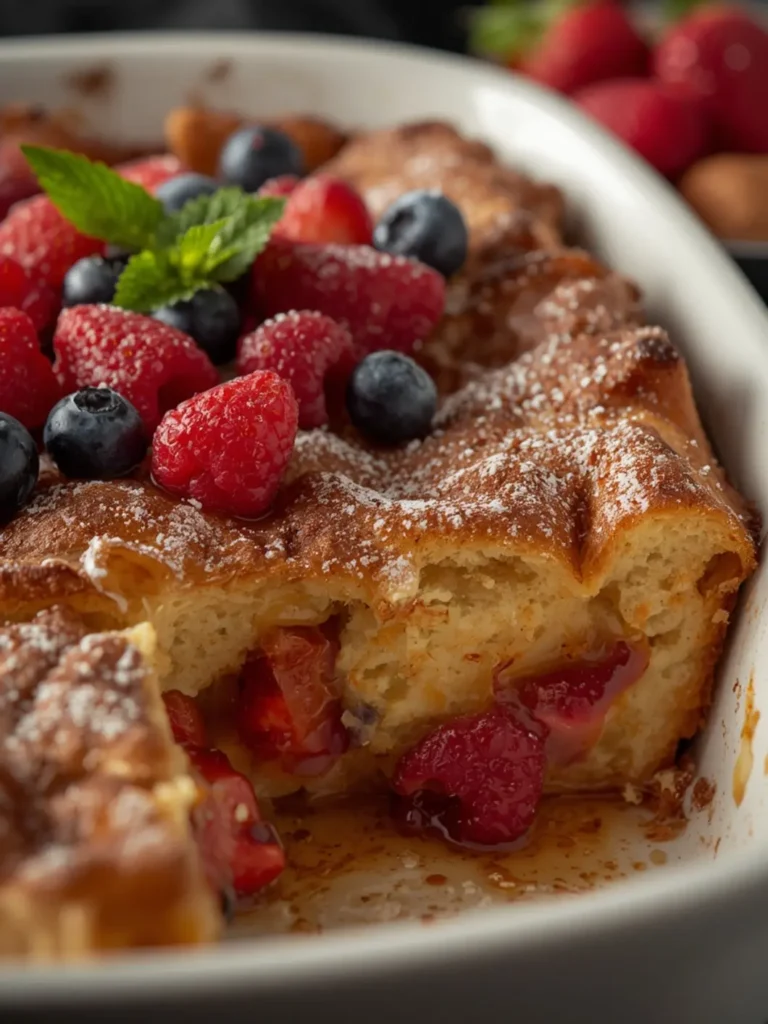
It is the ultimate solution for busy hosts and parents who want a warm, homemade meal without the 6 a.m. scramble. By letting the bread soak up the custard overnight, you develop a depth of flavor and texture that is simply impossible to achieve with a quick dip.
Ingredients & Equipment
For this dish to work, the quality of your bread matters immensely. I prefer using a sturdy loaf of French bread or brioche that has been sitting out for a day or two; slightly stale bread absorbs the custard better without turning into total mush. You will need about a 1-pound loaf, cut into thick one-inch cubes.
For the custard base, grab eight large eggs, whole milk, and heavy cream for richness. Vanilla extract, ground cinnamon, and a pinch of salt round out the flavors. We also use plenty of brown sugar to create that irresistible caramelized top layer. If you are looking for a crowd feeding breakfast, doubling this recipe is easy.
Equipment-wise, you’ll need a 9×13-inch baking dish. A large mixing bowl and a whisk are essential for the custard. I also recommend a fine mesh sieve to strain the egg mixture if you want an extra silky texture, though it isn’t strictly mandatory.
Prep & Cook Time

This recipe is designed for convenience. The active prep time is only about 15 to 20 minutes, which includes chopping the bread and whisking the custard.
The casserole needs to soak for at least 8 hours or up to 24 hours in the refrigerator. Baking takes roughly 45 to 55 minutes. This make ahead breakfast is perfect for planning ahead, minimizing your time in the kitchen when guests are around.
Step-by-Step Instructions
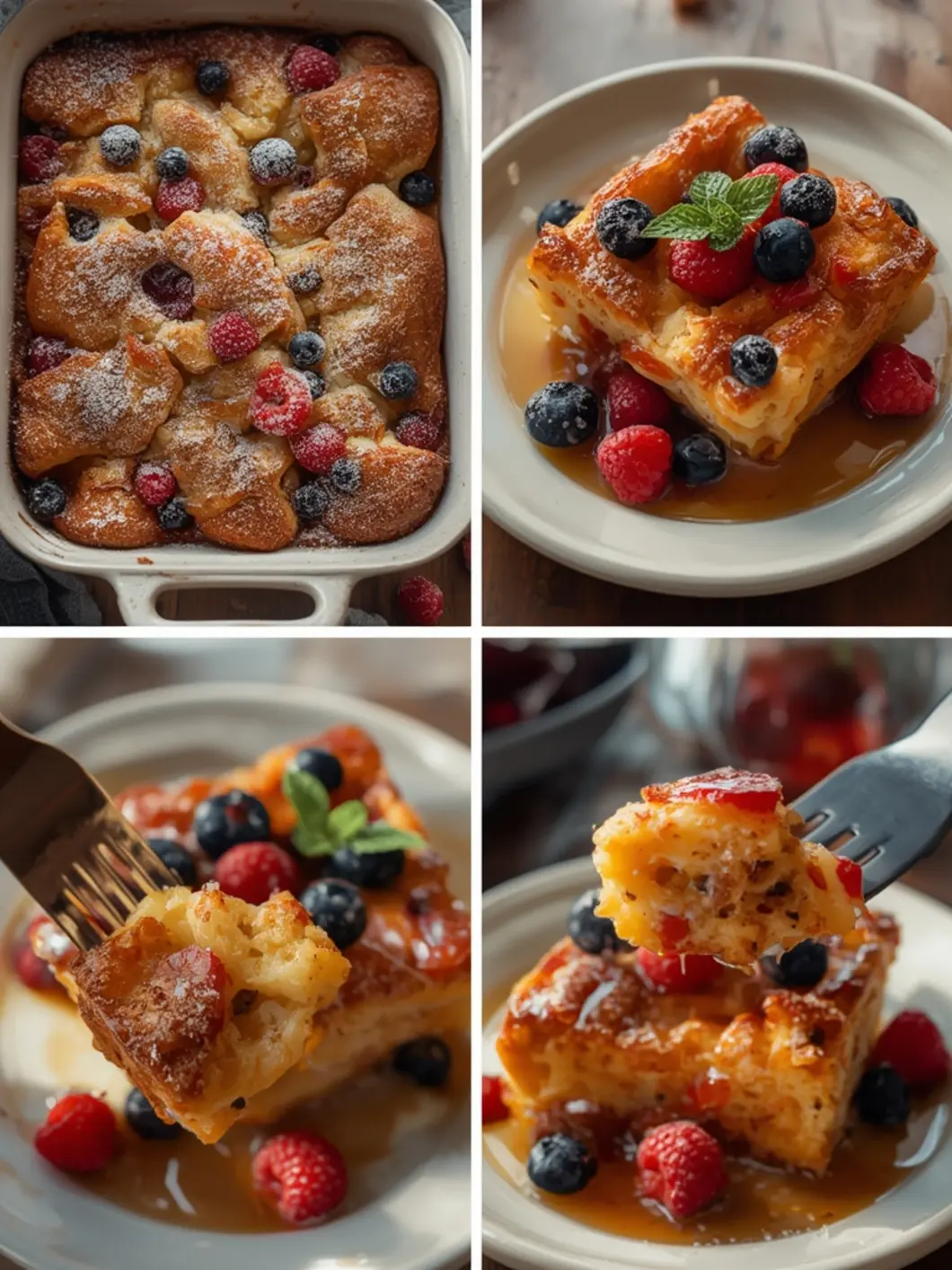
Start by generously buttering your 9×13-inch baking dish. Place the cubed bread into the dish in an even layer. Don’t pack it down too tight, as you want the liquid to seep through to every corner.
In a separate large bowl, whisk together the eggs, milk, heavy cream, brown sugar, vanilla, cinnamon, and salt until completely combined. If you see any streaks of egg white, keep whisking.
Pour the custard mixture evenly over the bread cubes. Use a spatula or clean hands to gently press the bread down so it fully absorbs the liquid. It should look like a wet bread pudding.
Cover the dish tightly with plastic wrap or foil and refrigerate it for at least 8 hours. This is the critical step that turns simple ingredients into a decadent French Toast Casserole.
When ready to bake, preheat your oven to 350°F (175°C). Remove the casserole from the fridge while the oven heats up to take the chill off.
Remove the covering. You can optionally add a streusel topping made of flour, brown sugar, butter, and cinnamon at this stage for extra crunch. Bake uncovered for 45 to 55 minutes.
The dish is done when the center is set and no longer jiggles excessively, and the top is golden brown and bubbly. Let it rest for 10 minutes before serving to allow the custard to set fully.
Why You’ll Love This Recipe / Health Benefits

You can easily adapt this to be an overnight breakfast casserole that suits your dietary needs. Using whole grain bread adds fiber, and you can substitute almond milk for the dairy if needed. It is a balanced meal that provides protein from the eggs and carbohydrates for energy.
This is a truly special French Toast Casserole because it feels like an indulgent treat while being practical. It eliminates the need for frying in butter, reducing active cooking fats. Furthermore, this recipe falls into the category of excellent brunch recipes because it feeds a group easily.
For those looking for a make ahead breakfast, the overnight soak means zero prep work in the morning. It is ideal for a christmas morning breakfast or Easter Sunday. The consistency is soft and custardy, often described as a sweet breakfast casserole.
Variations, Substitutions, or Serving Suggestions
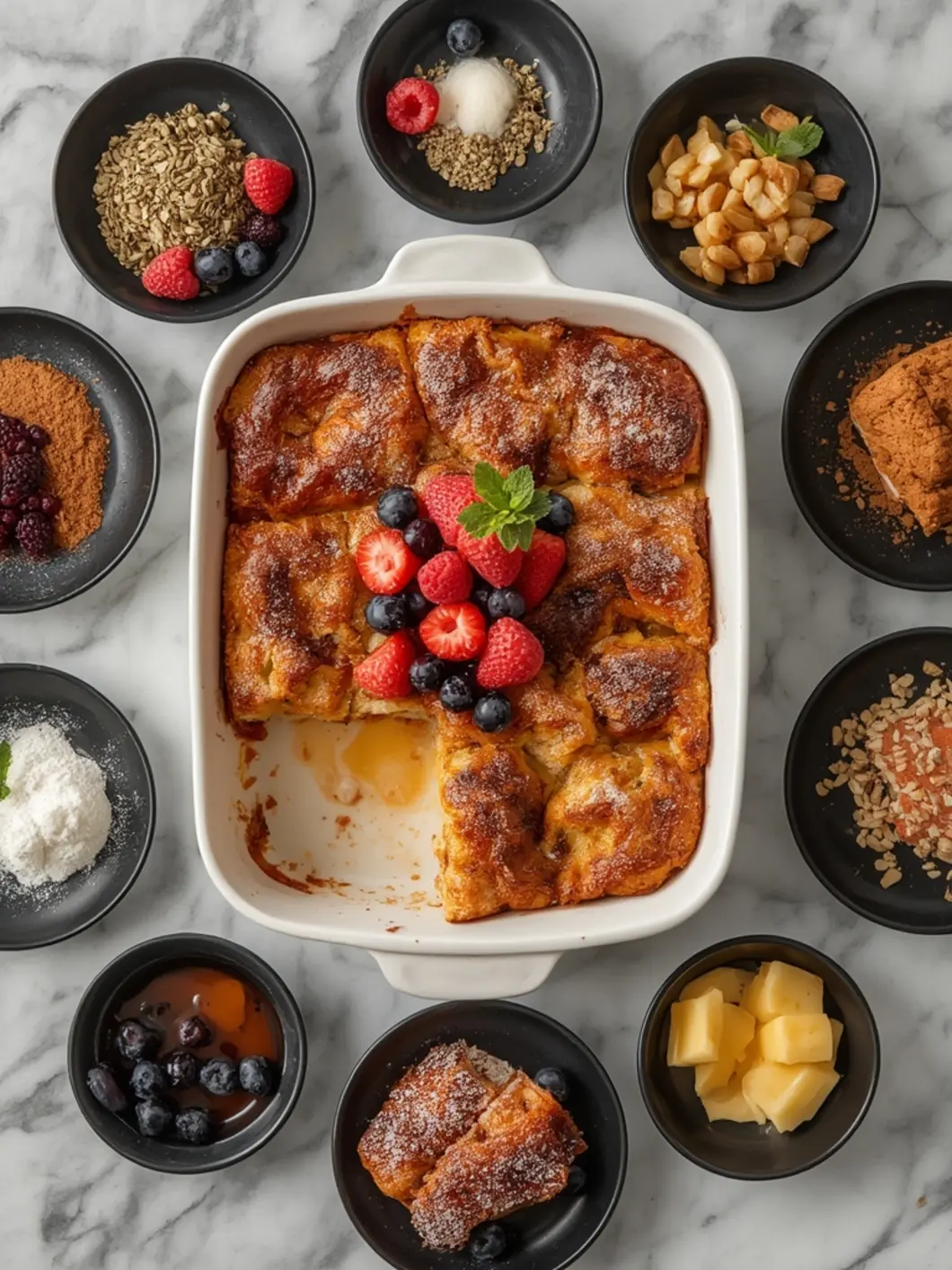
For a chocolate twist, fold chocolate chips into the bread layers. Alternatively, add fresh berries like blueberries or raspberries for a burst of acidity that cuts through the richness. These variations keep the core French Toast Casserole method intact while changing the flavor profile.
If you want to lean into the savory side, reduce the sugar and vanilla, and add sharp cheddar cheese and sautéed onions. This turns the dish into a savory bread pudding casserole, perfect for a savory brunch.
Serve this warm dish with a dusting of powdered sugar, fresh fruit, and a drizzle of pure maple syrup. For a truly decadent experience, add a dollop of whipped cream or a scoop of vanilla bean ice cream. This is one of those crowd feeding breakfast options that pairs well with crispy bacon or breakfast sausage.
Common Cooking Mistakes to Avoid
The most common mistake is using fresh, soft sandwich bread. It will disintegrate into a soupy mess. Stick to crusty artisan bread like sourdough or challah for the best structure.
Another error is not soaking the bread long enough. While 4 hours is the bare minimum, the full overnight soak ensures the center is creamy, not dry. Rushing this step compromises the integrity of the baked french toast.
Do not overbake the dish. Since eggs continue to cook after removal from the oven, pull it out when the center is just set. Overbaking results in a rubbery texture rather than a soft, custardy bite.
Storage & Reheating Tips
Store leftover casserole in an airtight container in the refrigerator for up to 4 days. You can also cover the baking dish tightly with foil if you prefer to keep it in the original pan.
To reheat, place individual portions in the microwave for 60 to 90 seconds. For a crispier texture, reheat leftovers in an oven or toaster oven at 350°F until warmed through. This dish is one of the best make ahead breakfast options because the leftovers reheat beautifully.
Conclusion
This overnight method solves the breakfast dilemma by doing the work the night before. It provides a hot, satisfying meal that creates lasting memories around the table. Whether it is for a quiet Sunday or a busy holiday morning, this recipe delivers consistent results.
By following these steps, you can master a dish that is simple enough for beginners yet impressive enough for guests. This is truly a staple French Toast Casserole for any home cook’s repertoire, rivaling the best brunch recipes out there.
FAQs
Can I use regular sandwich bread for this casserole?
While you can, I highly recommend against it. Fresh sandwich bread lacks the structure to hold up to the custard overnight. You will likely end up with a mushy texture. A sturdy loaf like sourdough or brioche works best for this French Toast Casserole.
How long can I let the casserole soak before baking?
You can soak it for a minimum of 4 hours, but 8 to 24 hours is ideal. This extended soak is what makes it such a reliable overnight breakfast casserole, ensuring the flavors meld perfectly.
Can I freeze the leftovers?
Yes, this dish freezes very well. Wrap individual portions tightly in plastic wrap and foil, or freeze the whole casserole before or after baking. It is a great option for a quick make ahead breakfast on busy mornings.
Is this dish too sweet for breakfast?
The sweetness level is easily adjustable. If you prefer a less sweet breakfast, reduce the brown sugar in the custard mixture by a quarter cup. It will still be delicious, especially if you top it with fresh fruit.
What is the best way to serve this for a crowd?
This is the ultimate crowd feeding breakfast. Serve it straight from the oven with a large serving spoon. Set up a toppings bar with syrup, berries, nuts, and whipped cream so guests can customize their plates.
Overnight French Toast Casserole (Soak & Bake)
Equipment
- 9x13 Inch Baking Dish
- Large mixing bowl
Ingredients
Main Ingredients
- 1 loaf French bread day-old, cut into 1-inch cubes (about 10 cups)
- 8 large Eggs room temperature
- 2 cups Whole milk or half-and-half for richer taste
Custard Flavoring
- 1/4 cup Granulated sugar or maple syrup
- 2 tsp Vanilla extract
- 1 tsp Ground cinnamon
Topping
- 1/2 cup Unsalted butter cold, cut into cubes
- 1/2 cup Brown sugar packed
- 1 tsp Ground cinnamon for topping
Instructions
- Butter a 9x13 inch baking dish. Spread the cubed bread evenly in the dish.
- In a large bowl, whisk together eggs, milk, granulated sugar, vanilla, and 1 tsp cinnamon until well combined.
- Pour the egg mixture evenly over the bread cubes. Gently press down with a spatula to ensure all bread is soaked.
- Cover tightly with plastic wrap and refrigerate for at least 4 hours or overnight (best results).
- When ready to bake, preheat oven to 350°F (175°C).
- Make the topping: In a small bowl, mix brown sugar and 1 tsp cinnamon. Cut in the cold butter until crumbly.
- Remove casserole from fridge. Uncover and sprinkle the topping evenly over the bread.
- Bake for 40-50 minutes, until golden brown and the center is set (no liquid egg mixture visible).
- Let cool for 10 minutes before serving. Drizzle with maple syrup if desired.