Making your own Fermented Red Cabbage at home is one of the most satisfying kitchen projects. It brings vibrant color and a tangy crunch to the table. This no-bake method requires just four staple ingredients. It’s a gentle introduction to the world of probiotic foods.
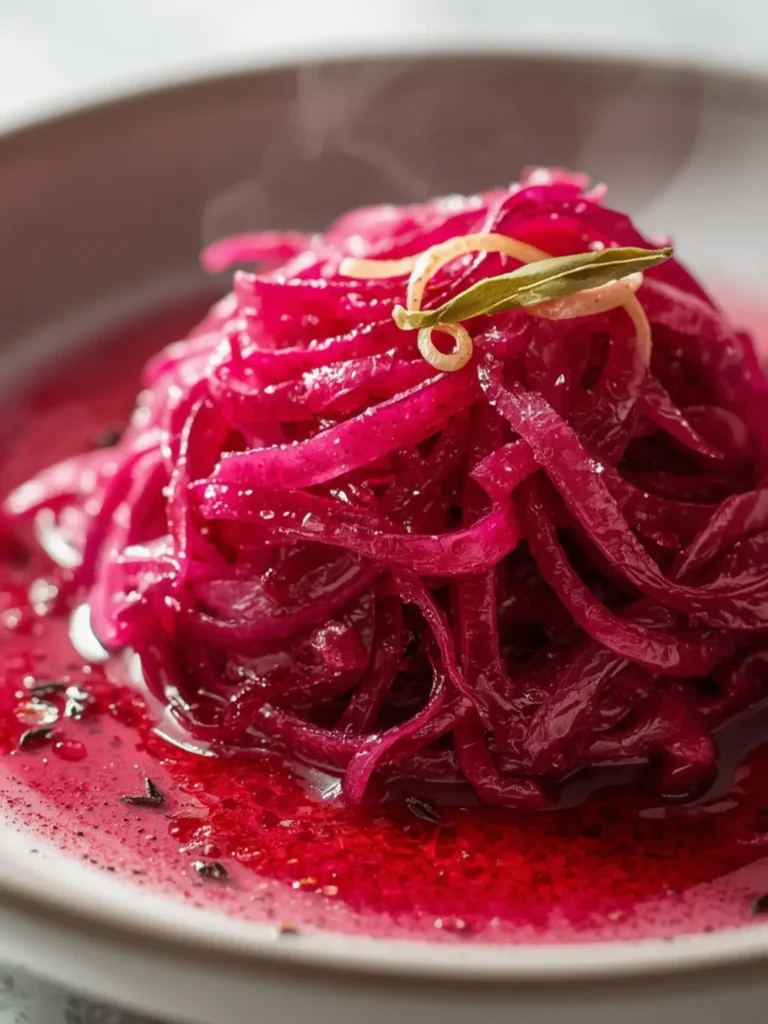
This recipe is perfect for busy home cooks. You don’t need fancy equipment or complex techniques. The natural fermentation process does all the heavy lifting. Within a week, you’ll have a delicious, gut-friendly side dish ready to enjoy.
I’ve been making fermented vegetables for years. It started with traditional sauerkraut and evolved into this colorful favorite. The deep purple hue makes it a showstopper on any plate. It pairs wonderfully with rich meats or hearty grain bowls. Let’s dive into this simple yet transformative recipe.
Ingredients & Equipment
You only need four simple ingredients to get started. This keeps the process approachable and cost-effective. I always recommend buying the freshest produce available for the best flavor and texture.
- Red Cabbage: One medium head (about 2 pounds). Look for tight, heavy heads with vibrant leaves. Freshness is key for crisp fermented red cabbage.
- Sea Salt: Fine sea salt works best. Avoid iodized salt as iodine can inhibit fermentation. The salt draws out moisture to create the brine.
- Water: Filtered or chlorine-free water is essential. Chlorine can kill the beneficial bacteria needed for fermentation.
- Caraway Seeds (Optional): A teaspoon adds a classic, earthy depth reminiscent of traditional sauerkraut recipe flavors.
For equipment, you don’t need much. A sharp knife and a sturdy cutting board are primary. A large mixing bowl is needed for massaging the cabbage. You’ll also need a clean 1-quart glass jar with a wide mouth. A fermentation weight or a small brine-filled zip-top bag helps keep the cabbage submerged.
Prep & Cook Time
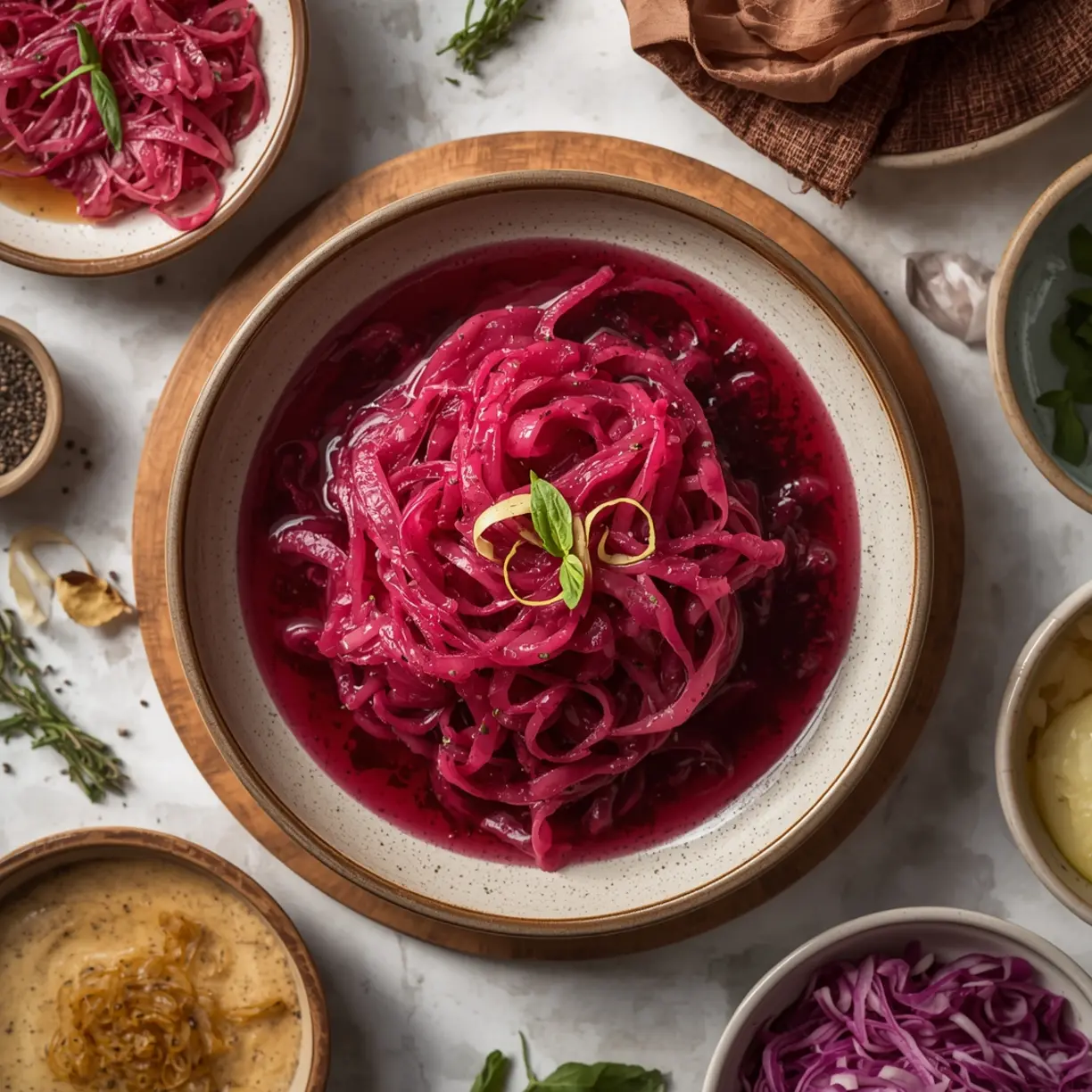
This is a no-bake recipe where time does the work. Active prep time is about 30 minutes. The fermentation time is 7 days at room temperature. This makes it an incredibly low-effort project.
Difficulty is very beginner-friendly. If you can chop vegetables and measure salt, you can make this easy fermented vegetables recipe. The most important part is patience during the 7-day ferment. A cool, dark spot in your kitchen is ideal.
Step-by-Step Instructions
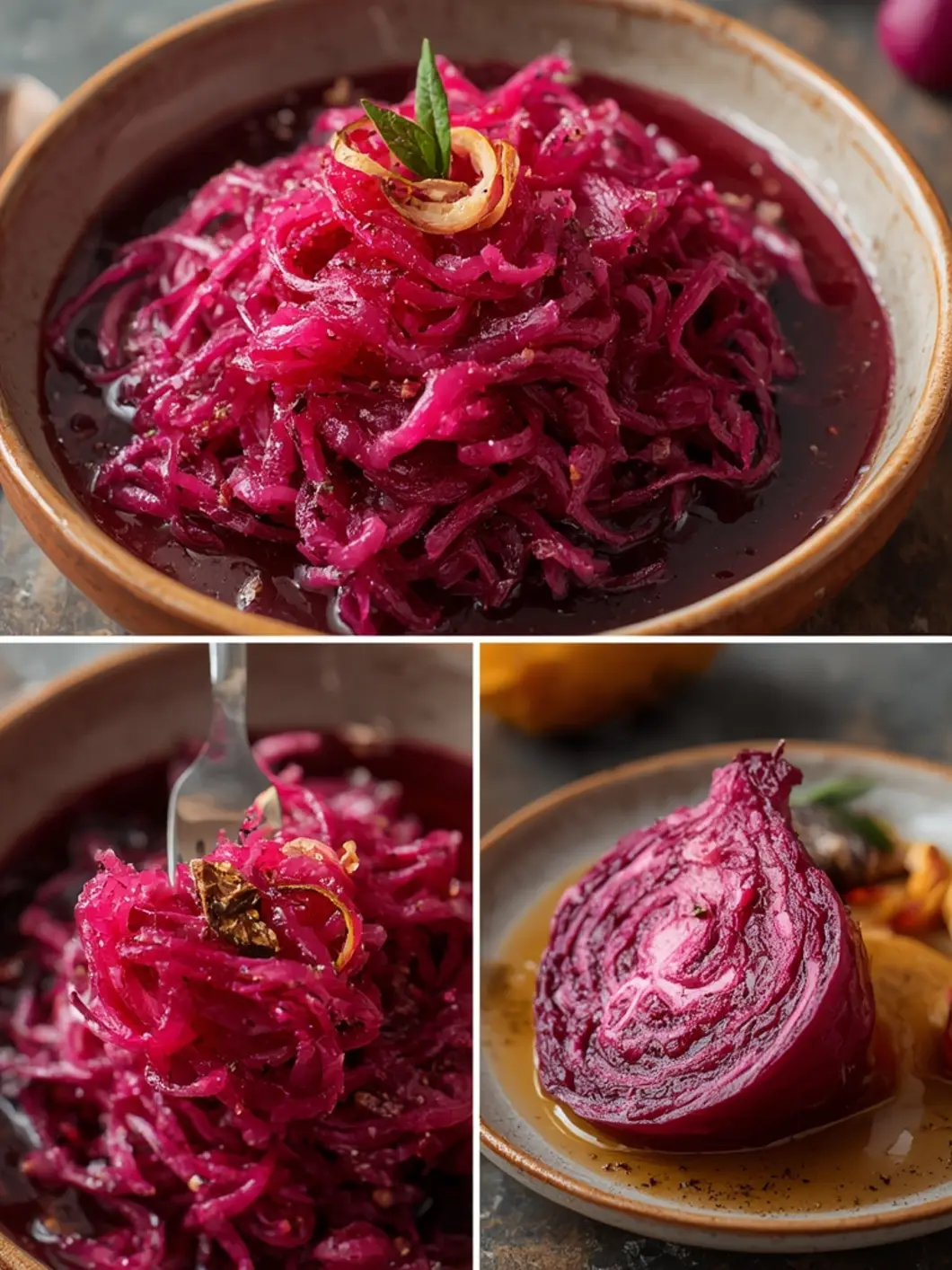
Step 1: Prepare the Cabbage
Remove the outer leaves of the red cabbage. Reserve one large, sturdy leaf. Slice the cabbage in half and remove the core. Thinly shred the cabbage into ribbons. A mandoline slicer works great here for uniform pieces, but a knife is fine too.
Step 2: Make the Brine
In a large bowl, combine the shredded cabbage and salt. Start with 1 tablespoon of salt per 2 pounds of cabbage. Use your clean hands to massage and squeeze the cabbage vigorously for 5-10 minutes. The cabbage will wilt and release its natural liquid, creating a brine.
Step 3: Pack the Jar
Once the cabbage is soft and pooling in liquid, add caraway seeds if using. Pack the cabbage tightly into your clean quart jar. Press down firmly to eliminate air pockets. The brine should rise above the cabbage. If not, you can mix a separate brine of 1 teaspoon salt per cup of filtered water.
Step 4: Weigh It Down
Take the reserved outer leaf and fold it to fit the jar opening. Place it on top of the shredded cabbage. Place your fermentation weight on top to keep everything submerged. The cabbage must stay under the brine to prevent mold.
Step 5: Ferment
Cover the jar loosely with the lid or use an airlock. Place it on a small plate to catch any overflow. Let it sit at room temperature (65-70°F) for 7 days. You may see bubbles forming, which is a good sign. It means your probiotic foods are alive and working.
Step 6: Taste and Store
After 7 days, remove the weight and leaf. Taste your fermented red cabbage. It should be pleasantly sour and crunchy. If you prefer more tang, let it ferment for another 1-3 days. Once it reaches your desired flavor, screw the lid on tightly and move it to the refrigerator. This recipe can last for months in the fridge.
Why You’ll Love This Recipe / Health Benefits
You’ll love this recipe for its incredible simplicity and depth of flavor. The tangy crunch is addictive. It transforms a simple vegetable into a complex condiment. It’s a fantastic way to add color and excitement to everyday meals.
The health benefits are significant. This fermented red cabbage is packed with live cultures. These probiotic foods support a healthy gut microbiome. A healthy gut is linked to better digestion and overall wellness. It’s a delicious way to nourish your body.
Making your own fermented red cabbage at home is a rewarding process. It allows you to control the ingredients and salt level. This no bake ferment preserves the natural vitamins and enzymes in the cabbage. It’s a living food that enhances your gut health with every bite.
Variations, Substitutions, or Serving Suggestions
This sauerkraut recipe is wonderfully versatile. For a different flavor profile, try adding thinly sliced apples or caraway seeds during the packing stage. The apple adds a subtle sweetness that balances the tang.
If you prefer an easy fermented vegetables mix, add shredded carrots or daikon radish. These vegetables ferment at a similar rate and add lovely color and texture. Just be sure to maintain the correct salt-to-vegetable ratio.
For serving, think beyond the side dish. Use your fermented red cabbage as a topping for tacos, grain bowls, or avocado toast. It’s fantastic alongside grilled sausages or pork chops. Its acidity cuts through rich flavors beautifully.
Common Cooking Mistakes to Avoid
The biggest mistake is not keeping the cabbage submerged. Exposure to air is the enemy of a clean ferment. Always use a weight and ensure the brine fully covers the vegetables. Check daily to press down any rising pieces.
Another common error is using the wrong salt. Iodine in table salt can lead to a cloudy brine and mushy texture. Stick to pure sea salt or kosher salt for the best results in your fermented red cabbage.
Don’t rush the process. While 7 days is a great starting point, fermentation is a taste-driven process. Patience is essential for developing the right flavor. Your first batch will guide you for the next.
Storage & Reheating Tips
Once your fermented red cabbage has reached your desired flavor, transfer it to the refrigerator. This significantly slows down the fermentation process. It will keep in the fridge for several months.
Store the jar with the brine. The brine is full of flavor and beneficial cultures. Always use a clean fork to remove servings to prevent introducing unwanted bacteria. Never heat this dish before eating, as heat destroys the live probiotics. It’s best served cold as a raw topping or side.
Conclusion
Creating your own fermented red cabbage is a simple, rewarding kitchen skill. This 4-ingredient, no-bake recipe is accessible to everyone. It delivers a crunchy, tangy side dish that enhances any meal. The 7-day timeline makes it a perfect weekend project.
Embrace the process and trust your senses. The vibrant color and fizzing sounds are all signs of success. Incorporating this easy fermented vegetables recipe into your routine is a delicious step toward better gut health. Enjoy your homemade, probiotic-rich creation.
FAQs
What if I see white sediment at the bottom?
This is usually kahm yeast, a harmless byproduct of fermentation. Skim it off if it bothers you. It’s different from colorful mold, which should be discarded.
Can I use other types of cabbage?
Yes, this method works well with green cabbage too. The process and timeline are essentially the same. The result will be a classic sauerkraut recipe flavor.
Is the brine safe to drink?
Yes, the brine from your fermented red cabbage is full of flavor and probiotics. You can use it in salad dressings or sip it in small amounts. It is a concentrated source of probiotic foods.
My cabbage isn’t fully submerged. What should I do?
Press down the cabbage with a clean utensil to release more brine. If needed, mix a little extra saltwater (1 tsp salt per cup water) to top it off. Keeping the cabbage under the brine is critical.
How can I tell when it’s done?
Taste it! After 7 days, it should taste pleasantly sour and retain a good crunch. This no bake ferment is ready when it matches your preferred tanginess level.
Easy 4-Ingredient Fermented Red Cabbage (No-Bake, 7 Days)
Equipment
- Large mixing bowl
- 2-Quart glass jar with lid
- Kitchen scale (optional)
Ingredients
Main Ingredients
- 1 head red cabbage finely shredded
- 1.5 tbsp sea salt non-iodized
- 1 tbsp caraway seeds optional
- 1 cup chlorinated water cool
Instructions
- Remove the outer leaves of the red cabbage, quarter it, and remove the core. Shred the cabbage into fine ribbons using a knife or mandoline.
- Place the shredded cabbage into a large mixing bowl. Sprinkle the salt and caraway seeds over the top.
- Massage the cabbage with clean hands for 5-10 minutes. Squeeze and crush the fibers until the cabbage wilts and releases enough liquid to create a natural brine.
- Pack the cabbage tightly into the glass jar, pressing down firmly with your fist or a spoon to release air bubbles.
- Pour any remaining brine from the bowl into the jar. Ensure the cabbage is fully submerged under the liquid (add a little cool water if necessary to cover).
- Cover the jar with the lid (not too tight to allow gas escape) or use an airlock. Place in a cool, dark spot away from direct sunlight.
- Ferment for 7 days. Check daily to press down the cabbage and ensure it stays submerged. It should taste pleasantly sour when done.
- Tighten the lid and move to the refrigerator to stop fermentation. Eat chilled as a side dish or topping.