Mastering the art of a creamy, protein-rich breakfast just got easier. Elevate your morning routine with a dish that combines fluffy texture and savory goodness, all centered around the magic of Cottage Cheese Scrambled Eggs. Ditch the bland, rubbery eggs often found in cafes and discover the perfection of a homemade version.
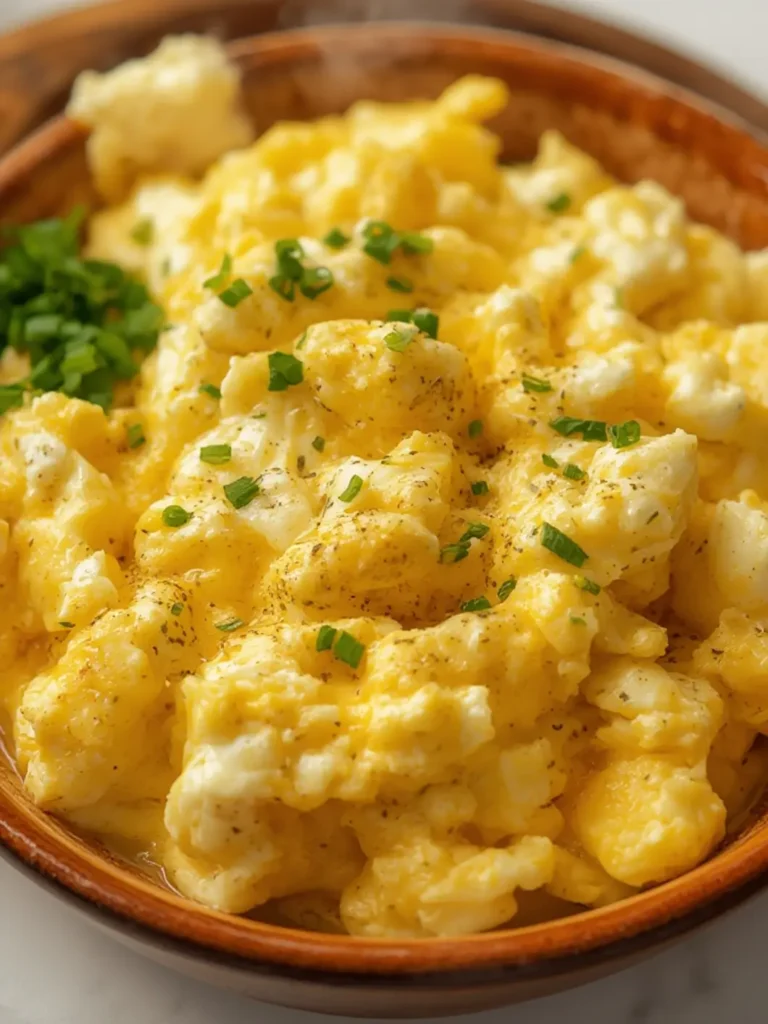
The beauty of this recipe lies in its simplicity and nutritional punch. It is a fantastic alternative to traditional heavy breakfasts. When you prepare Cottage Cheese Eggs in your own kitchen, you control the ingredients, the sodium levels, and the freshness of every bite.
This comprehensive guide will walk you through every step. We will cover why this dish is a superior choice for busy mornings. From ingredients to storage, we leave no stone unturned regarding delicious Cottage Cheese Scrambled Eggs.
Ingredients & Equipment
High-quality ingredients are the foundation of any great dish. For this recipe, freshness is key to achieving the best flavor profile. You need specific items to make the best Cottage Cheese Scrambled Eggs.
Ingredients:
- Large Eggs: 4 to 5 farm-fresh eggs for the richest taste.
- Cottage Cheese: 1/2 cup of full-fat or low-fat cottage cheese (small curd works best).
- Butter: 1 tablespoon of unsalted butter for cooking.
- Green Onions: 2 tablespoons chopped, for garnish and bite.
- Salt: 1/4 teaspoon (adjust based on the saltiness of your cheese).
- Black Pepper: Freshly cracked, to taste.
Equipment:
- Non-Stick Skillet: Essential for preventing sticking and ensuring even cooking.
- Mixing Bowl: For whisking the eggs and cheese together thoroughly.
- Silicone Spatula: This helps in gently folding the eggs to maintain a creamy texture.
- Whisk: To aerate the eggs before pouring them into the pan.
The cottage cheese is the star ingredient here. It adds moisture and a significant protein boost. This transforms ordinary scrambled eggs into a fluffy, rich meal known as Cottage Cheese Scrambled Eggs.
Prep & Cook Time
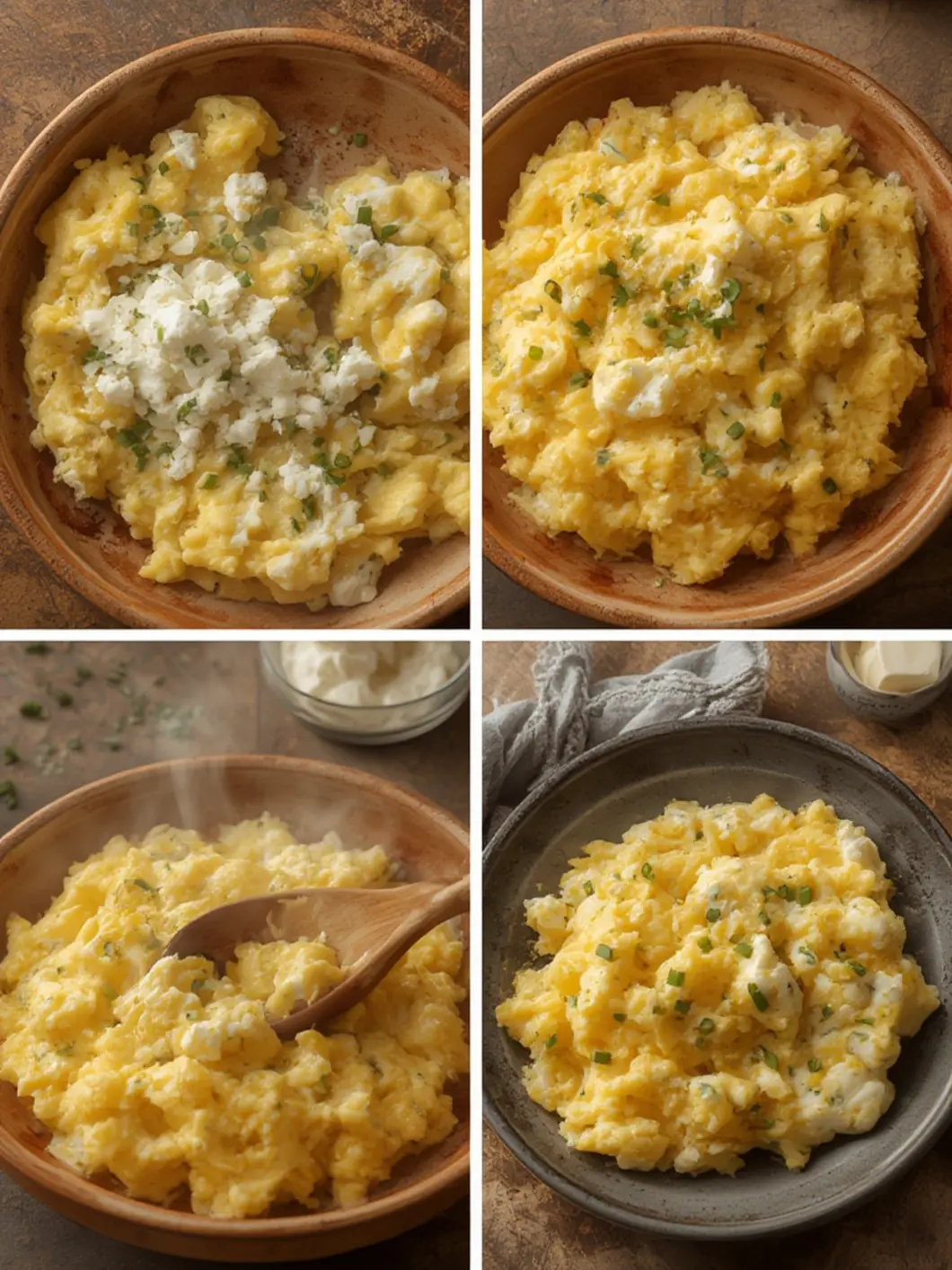
Timing is crucial when cooking eggs. Overcooking leads to rubbery results, while undercooking is a safety hazard. This recipe is designed for speed and efficiency.
- Prep Time: 5 minutes
- Cook Time: 5–7 minutes
- Total Time: Under 15 minutes
- Difficulty: Easy
This is a quick meal for weekday mornings. Despite the speed, the result feels gourmet. The wait for these Cottage Cheese Scrambled Eggs is minimal, but the payoff is huge.
Step-by-Step Instructions
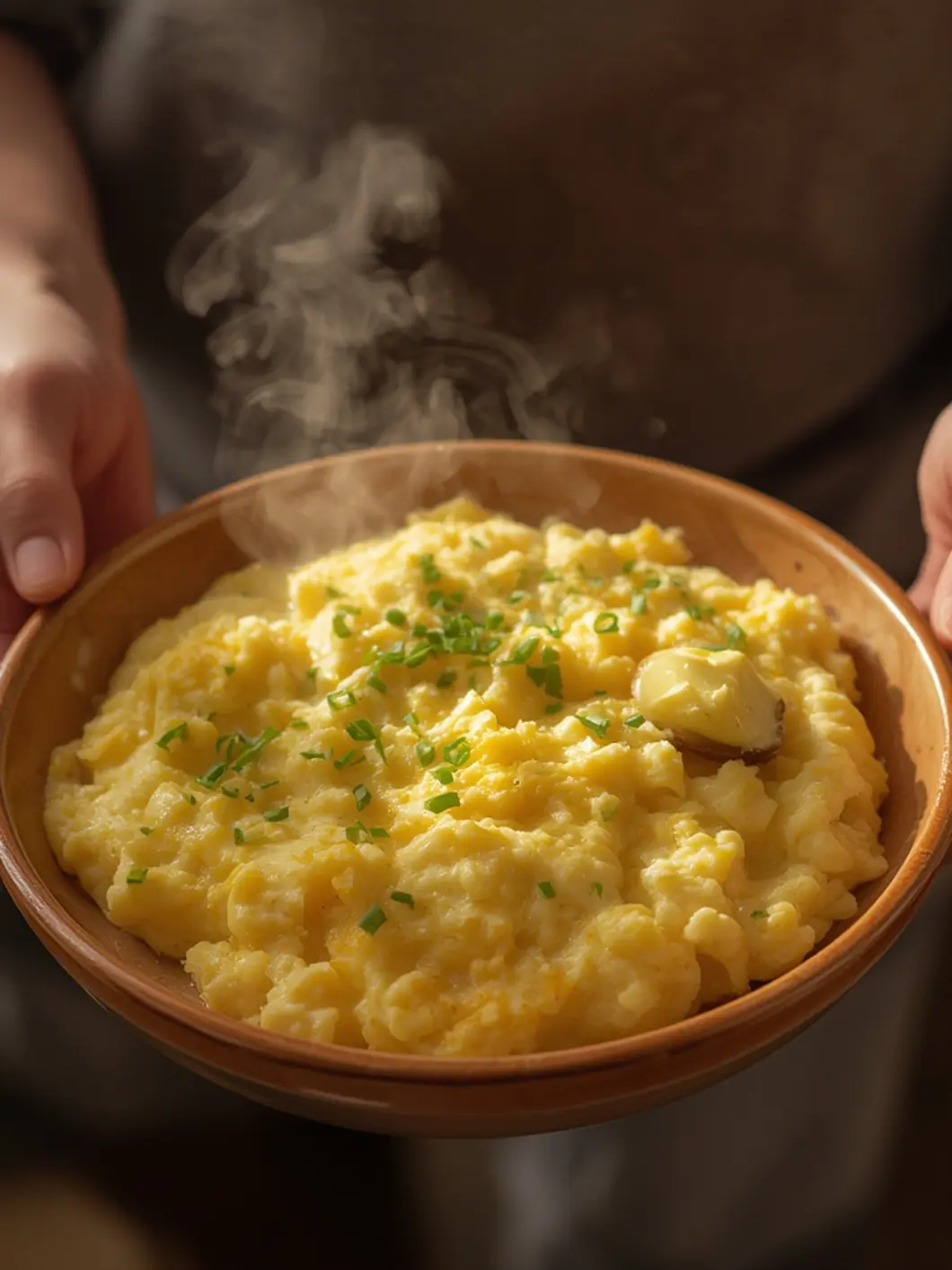
Follow these steps precisely for the perfect consistency. Do not rush the process. Patience yields the fluffiest Cottage Cheese Scrambled Eggs.
1. Whisk the Base: Crack the eggs into your mixing bowl. Add the cottage cheese, salt, and pepper. Whisk vigorously until the mixture is uniform and slightly frothy.
2. Heat the Pan: Place your non-stick skillet over medium-low heat. Add the butter and let it melt completely, swirling to coat the surface.
3. Pour the Mixture: Once the butter stops foaming, pour in the egg and cheese mixture. Do not stir immediately. Let it sit for 10–15 seconds until the edges just begin to set.
4. Fold Gently: Using your silicone spatula, gently push the eggs from the edges toward the center. Create large, soft curds. Repeat this folding motion slowly.
5. Finish Cooking: Continue folding for 2–3 minutes. Remove the pan from the heat when the eggs are mostly set but still slightly glossy. The residual heat will finish the cooking process.
6. Serve Immediately: Plate the eggs right away. Garnish with chopped green onions. Enjoy your hot Cottage Cheese Scrambled Eggs while they are fluffy.
Why You’ll Love This Recipe / Health Benefits
This dish is a nutritional powerhouse. It is an excellent way to start your day with high-quality fuel. Here is why Cottage Cheese Scrambled Eggs are a must-try.
- High Protein: Eggs and cottage cheese are packed with protein, keeping you full longer.
- Low Carb: This recipe is naturally low in carbohydrates, making it keto-friendly.
- Rich in Calcium: Cottage cheese provides a good dose of calcium for bone health.
- Creamy Texture: The cheese adds a creaminess without the need for heavy cream or excessive butter.
Making Cottage Cheese Scrambled Eggs supports muscle recovery and weight management. It is a healthy twist on a classic comfort food. You will love the savory taste and satisfying texture.
Variations, Substitutions, or Serving Suggestions
Customizing this dish is easy. You can adapt the base recipe to fit your dietary needs or taste preferences. Here are some ideas for your next batch of Cottage Cheese Scrambled Eggs.
- Spicy Kick: Add a pinch of red pepper flakes or a dash of hot sauce to the raw egg mixture.
- Cheesy Blend: Mix in a tablespoon of shredded cheddar or parmesan cheese for extra flavor.
- Herb Garden: Stir in fresh dill, chives, or parsley along with the green onions.
- Vegetable Add-ins: Sauté diced bell peppers or spinach in the butter before adding the eggs.
Serving Suggestions:
- Serve alongside avocado toast.
- Pair with grilled tomatoes for a balanced plate.
- Serve inside a whole-grain wrap for a breakfast burrito.
Whether you keep it simple or add veggies, this recipe holds up. The Cottage Cheese Scrambled Eggs are versatile enough to be a staple.
Common Cooking Mistakes to Avoid
Even simple recipes can go wrong. Avoid these pitfalls to ensure your breakfast is perfect every time. High heat is the enemy of great Cottage Cheese Scrambled Eggs.
1. Using High Heat: Never cook eggs on high heat. It cooks them too fast, resulting in a rubbery texture. Keep the heat medium-low.
2. Under-Whisking: If you don’t whisk the cottage cheese into the eggs properly, you will get uneven clumps. Whisk until the mixture is completely smooth.
3. Overcooking: Remove the eggs from the pan while they still look slightly wet. They will continue to cook on the plate.
4. Adding Cheese Too Late: The cottage cheese needs to be incorporated into the raw eggs. Adding it to the hot pan will not blend well.
By avoiding these errors, you protect the integrity of the dish. Your Cottage Cheese Scrambled Eggs will turn out fluffy and moist.
Storage & Reheating Tips
If you have leftovers, proper storage is vital to maintain quality. While fresh is best, you can save Cottage Cheese Scrambled Eggs for later.
Storage:
- Place leftovers in an airtight container.
- Refrigerate within two hours of cooking.
- Store for up to 3–4 days in the fridge.
Reheating:
- Microwave: Heat on medium power in 30-second intervals, stirring in between to prevent hot spots.
- Stovetop: Warm gently in a non-stick pan over low heat. Add a splash of water or milk to restore moisture.
Reheated Cottage Cheese Scrambled Eggs are great for meal prep. Just remember that the texture may be slightly softer than when freshly made.
Conclusion
Elevating your breakfast game is simple with this recipe. The addition of cottage cheese changes the texture and nutritional value completely. It is a reliable, tasty, and healthy option for any day of the week.
We hope this guide helps you master the perfect pan of eggs. It is a satisfying meal that requires minimal effort. Give this recipe a try and see the difference for yourself.
Start your morning right with a delicious bowl of Cottage Cheese Scrambled Eggs. Your body and taste buds will thank you.
FAQs
Why are my Cottage Cheese Scrambled Eggs rubbery?
This usually happens if the heat is too high or if you cook them for too long. Cook on low heat and remove the pan while the eggs still look slightly underdone.
Can I use egg whites instead of whole eggs?
Yes, you can use liquid egg whites. However, the dish will be less rich. The cottage cheese helps add back some creaminess to the Cottage Cheese Scrambled Eggs.
Is this recipe suitable for meal prepping?
Yes, Cottage Cheese Scrambled Eggs store well in the fridge. Reheat gently to avoid drying them out.
Do I need to drain the cottage cheese?
If your cottage cheese is very watery, a quick drain is helpful. Too much liquid can make the eggs runny. Most standard tubs are fine to use as-is.
What does cottage cheese taste like in eggs?
It adds a slight tang and a savory richness. It blends in well, making the Cottage Cheese Scrambled Eggs creamy without a dominant cheese flavor.
Cottage Cheese Scrambled Eggs
Equipment
- Large Non-Stick Skillet
- Mixing Bowl
- Whisk
- Silicone Spatula
Ingredients
Egg Mixture
- 8 large Eggs cold
- 0.5 cup Cottage Cheese full-fat or low-fat, small curd
- 2 tbsp Unsalted Butter divided
- 1 tbsp Fresh Chives finely chopped
Seasoning
- 0.25 tsp Kosher Salt adjust to taste based on cottage cheese saltiness
- 0.125 tsp Black Pepper freshly ground
- 1 pinch Smoked Paprika optional, for garnish
Instructions
- Crack the 8 large eggs into a medium mixing bowl. Add the salt and black pepper.
- Whisk the eggs vigorously for about 30-60 seconds until the yolks and whites are completely combined and the mixture is slightly frothy.
- Gently fold in the 1/2 cup of cottage cheese and the chopped chives. Do not overmix; you want to keep the texture of the curds.
- Place a large non-stick skillet over medium-low heat. Add 1 tablespoon of the butter and let it melt completely, coating the bottom of the pan.
- Pour the egg mixture into the skillet. Let it sit undisturbed for about 15-20 seconds until the edges just begin to set.
- Using a silicone spatula, gently push the eggs from the edges toward the center. Tilt the pan to let the uncooked egg run to the edges. Continue this gentle folding motion.
- When the eggs are about 80% set (still slightly wet and glossy), add the remaining 1 tablespoon of butter to the pan and stir gently to coat the eggs.
- Remove the pan from the heat immediately. The residual heat will finish cooking the eggs without drying them out.
- Serve immediately, topped with an extra sprinkle of paprika or fresh chives if desired.