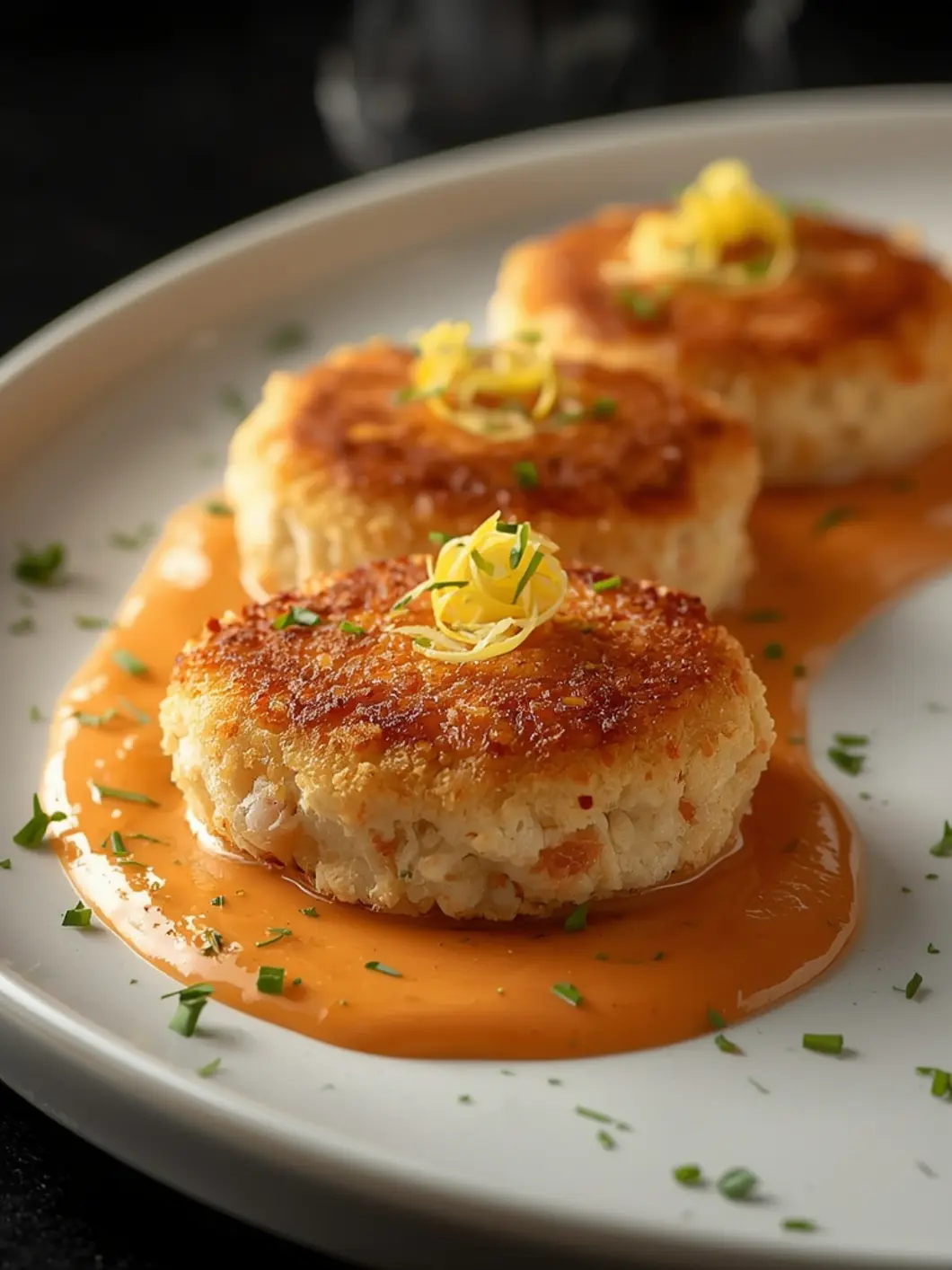
There’s a special kind of joy in creating a dish that feels both indulgent and surprisingly simple. As someone who loves weekend cooking projects, mastering a truly crispy Old Bay crab cake is a point of personal pride. They are the star of the table, perfect for turning an ordinary weeknight dinner into a small celebration or serving as a show-stopping appetizer for friends. The combination of sweet, delicate crab meat and that iconic, peppery spice blend is unbeatable. While I’ve spent years refining techniques in my own kitchen, the goal has always been to achieve that perfect balance: a golden-brown, crunchy exterior giving way to a moist, flaky interior packed with pure crab flavor. This isn’t about complicated methods; it’s about respecting the ingredients and using a few smart tricks to let them shine. I’ve tested this recipe countless times to ensure it delivers that authentic taste and texture every time. Let’s get started on these incredible Crab Cakes.
Ingredients & Equipment
The foundation of any great seafood appetizer is high-quality ingredients. For this lump crab recipe, you want the best crab meat you can find. I recommend backfin or jumbo lump crab meat for its impressive size and sweetness. While canned crab works in a pinch, fresh or pasteurized crab makes a noticeable difference in texture and flavor. Avoid anything overly fishy in smell; it should smell fresh and clean, like the ocean.
You’ll also need panko breadcrumbs, which are lighter and crispier than traditional breadcrumbs. For the binder, a combination of mayonnaise, a single egg, and a touch of Dijon mustard creates a creamy, cohesive mixture without weighing down the delicate crab. Finely diced celery and red bell pepper add a subtle crunch and sweetness, while a bit of green onion provides a fresh, sharp note. The star, of course, is Old Bay seasoning; it’s the soul of these Maryland-style crab cakes.
For equipment, you’ll need a large mixing bowl, a sturdy spatula, and a baking sheet. A good skillet is essential for pan-frying, and if you’re using the oven method, a wire rack set over a baking sheet is a fantastic tool for achieving an evenly crisp finish on all sides. Having everything prepped and measured before you start mixing is a key step I always recommend for a stress-free cooking process.
Prep & Cook Time
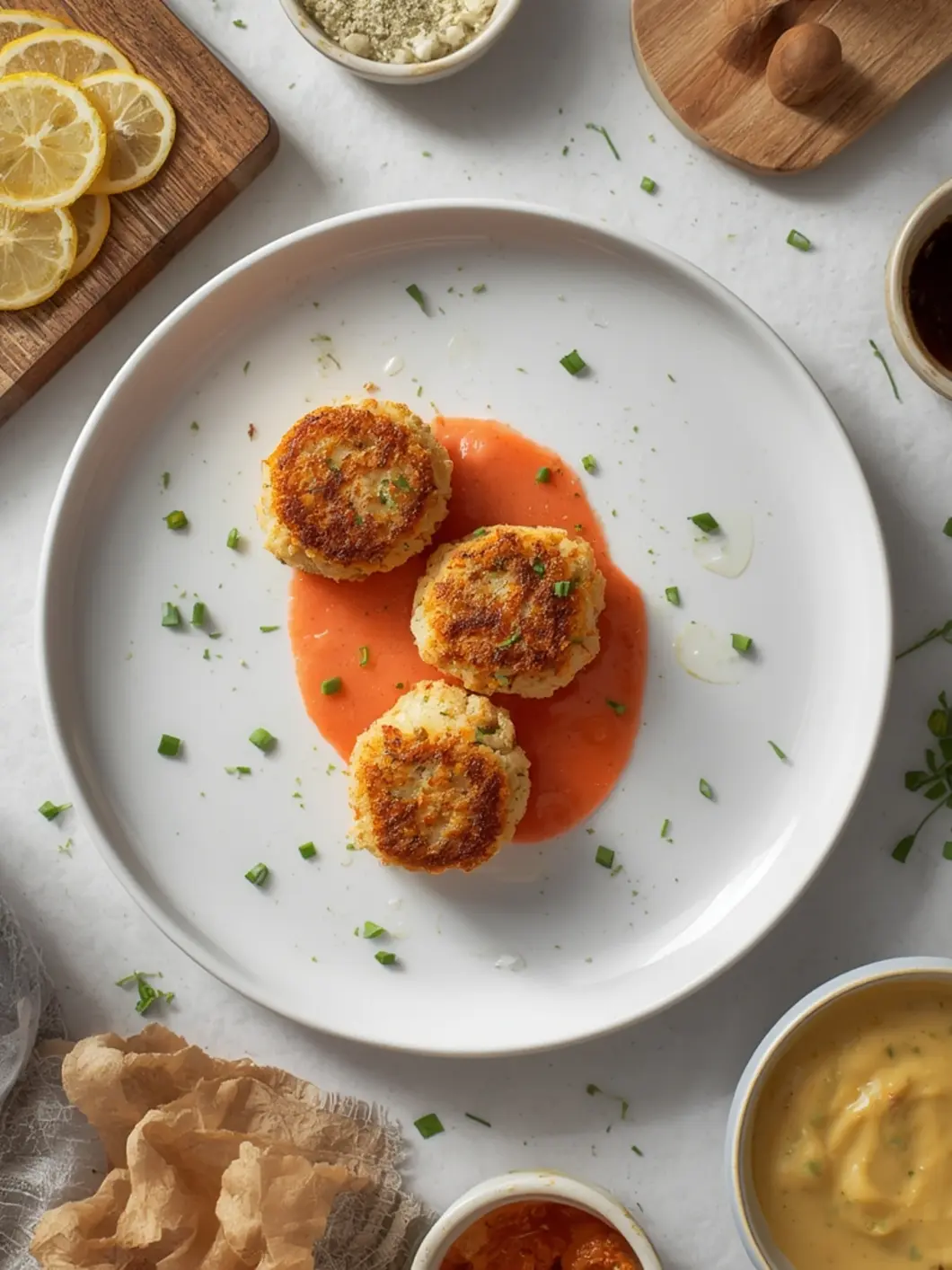
Creating these gourmet appetizers is a relatively quick process, making them suitable for both planned gatherings and spontaneous cravings. The active prep time is about 20 minutes. This involves picking through the crab meat to remove any stray shells, finely chopping your vegetables, and gently mixing the ingredients to avoid breaking up the precious lumps of crab.
The cook time depends on your chosen method. Pan-frying is my preferred technique for the absolute best crust, and it takes about 4-5 minutes per side. The entire process from mixing to plating should take under 45 minutes. The mixture also holds well in the refrigerator for a few hours, which is a huge benefit when you’re planning these as party food ideas. I suggest chilling the formed cakes for at least 30 minutes before cooking; this simple step helps them hold their shape beautifully.
Step-by-Step Instructions
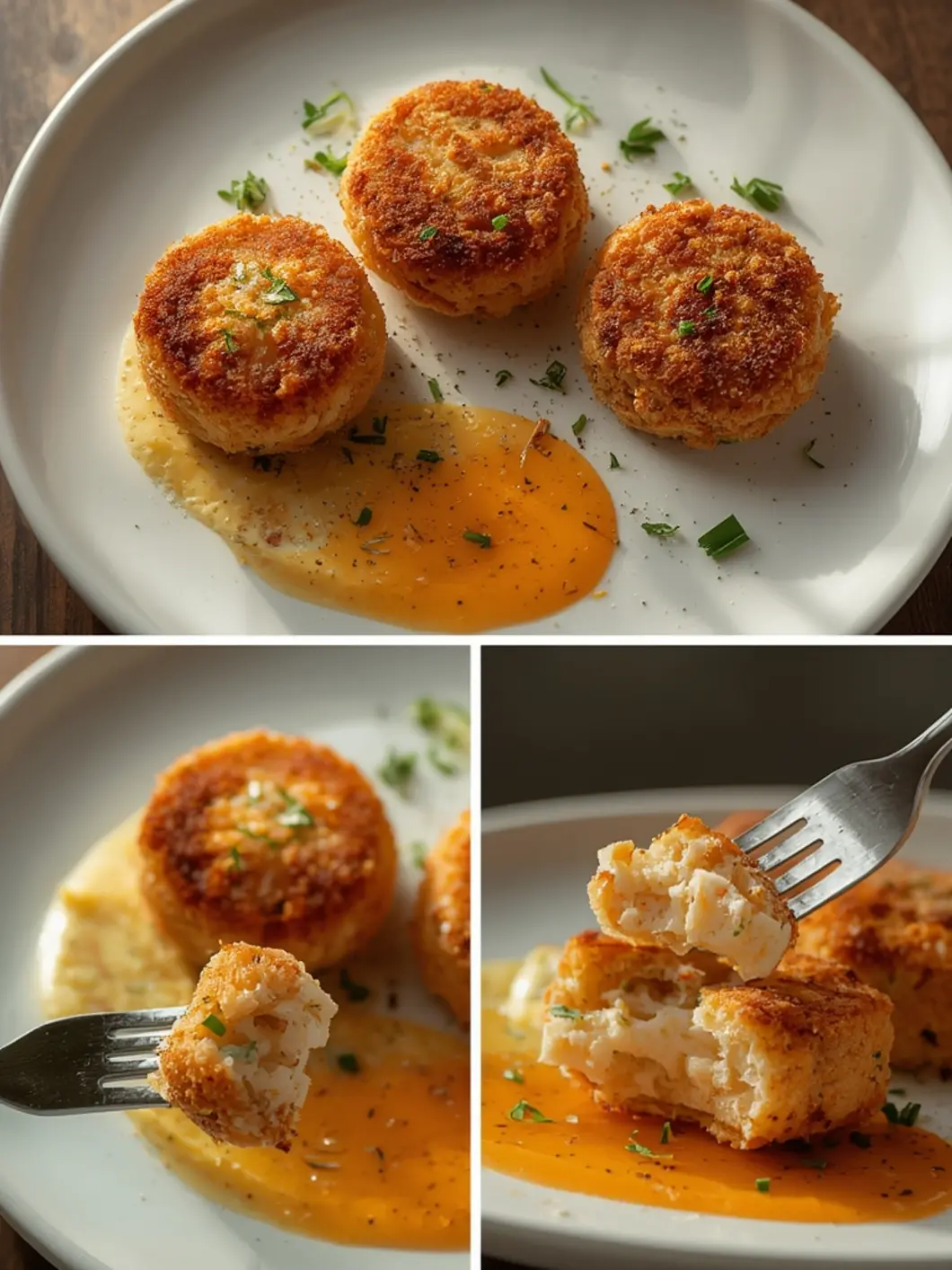
First, gently pick through your crab meat, removing any shell fragments you might find. Place the crab in a large mixing bowl. In a separate, smaller bowl, whisk together the mayonnaise, egg, Dijon mustard, Old Bay seasoning, and a pinch of salt and pepper. This wet mixture ensures the seasonings are distributed evenly.
Pour the mayonnaise mixture over the crab meat. Add the finely diced celery, red bell pepper, and sliced green onions. Sprinkle the panko breadcrumbs over everything. Using a spatula or your hands, gently fold the ingredients together. The key here is to mix until just combined; overworking the mixture will result in dense, tough crab cakes.
Gently form the mixture into patties, about 3/4-inch thick. I typically get about 4 large or 6 smaller crab cakes from this recipe. As you form them, handle the mixture as little as possible to keep the texture light. Place the formed patties on a parchment-lined baking sheet.
Cover the baking sheet with plastic wrap and chill the crab cakes in the refrigerator for at least 30 minutes. This step is non-negotiable for me; it helps the cakes firm up and prevents them from falling apart during cooking.
For pan-frying, heat a generous layer of neutral oil (like canola or grapeseed) in a large skillet over medium heat. Once the oil is shimmering, carefully place the crab cakes in the skillet, ensuring not to crowd the pan. Cook for 4-5 minutes per side, until they are deep golden brown and crispy.
For baking, preheat your oven to 400°F (200°C). Place the chilled crab cakes on a wire rack set over a baking sheet. Spray both sides lightly with cooking oil. Bake for 12-15 minutes, flipping halfway through, until golden and heated through.
Remove the crab cakes from the skillet or oven and let them rest for a few minutes on a paper towel-lined plate to absorb any excess oil. Serve immediately with your favorite remoulade sauce, a squeeze of fresh lemon, or a dollop of tartar sauce.
Why You’ll Love This Recipe / Health Benefits
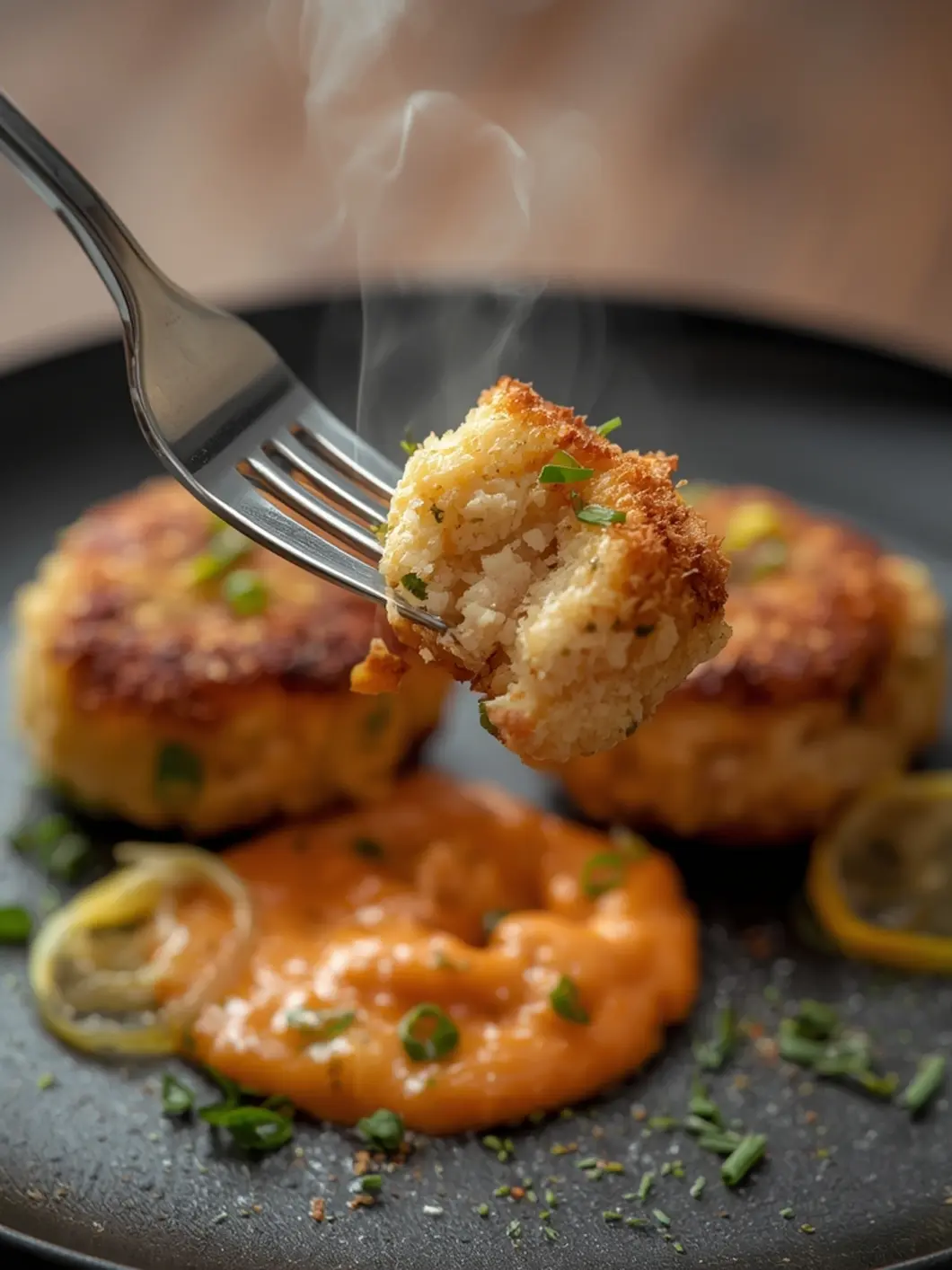
You’ll love this recipe because it delivers on the promise of a truly crispy exterior and a tender, flavorful interior without relying on filler. It’s an authentic take on a classic that feels both special and accessible. These crab cakes are a fantastic way to enjoy a restaurant-quality meal at home, and they are sure to impress any guest.
Beyond their incredible taste, these easy crab cakes offer some nutritional perks. Crab meat is an excellent source of lean protein, which is vital for muscle repair and overall health. It’s also rich in important minerals like copper, selenium, and zinc, which support immune function. By baking instead of frying, you can easily reduce the fat content while still enjoying a satisfyingly crisp texture. These gourmet appetizers fit beautifully into a balanced diet.
Variations, Substitutions, or Serving Suggestions
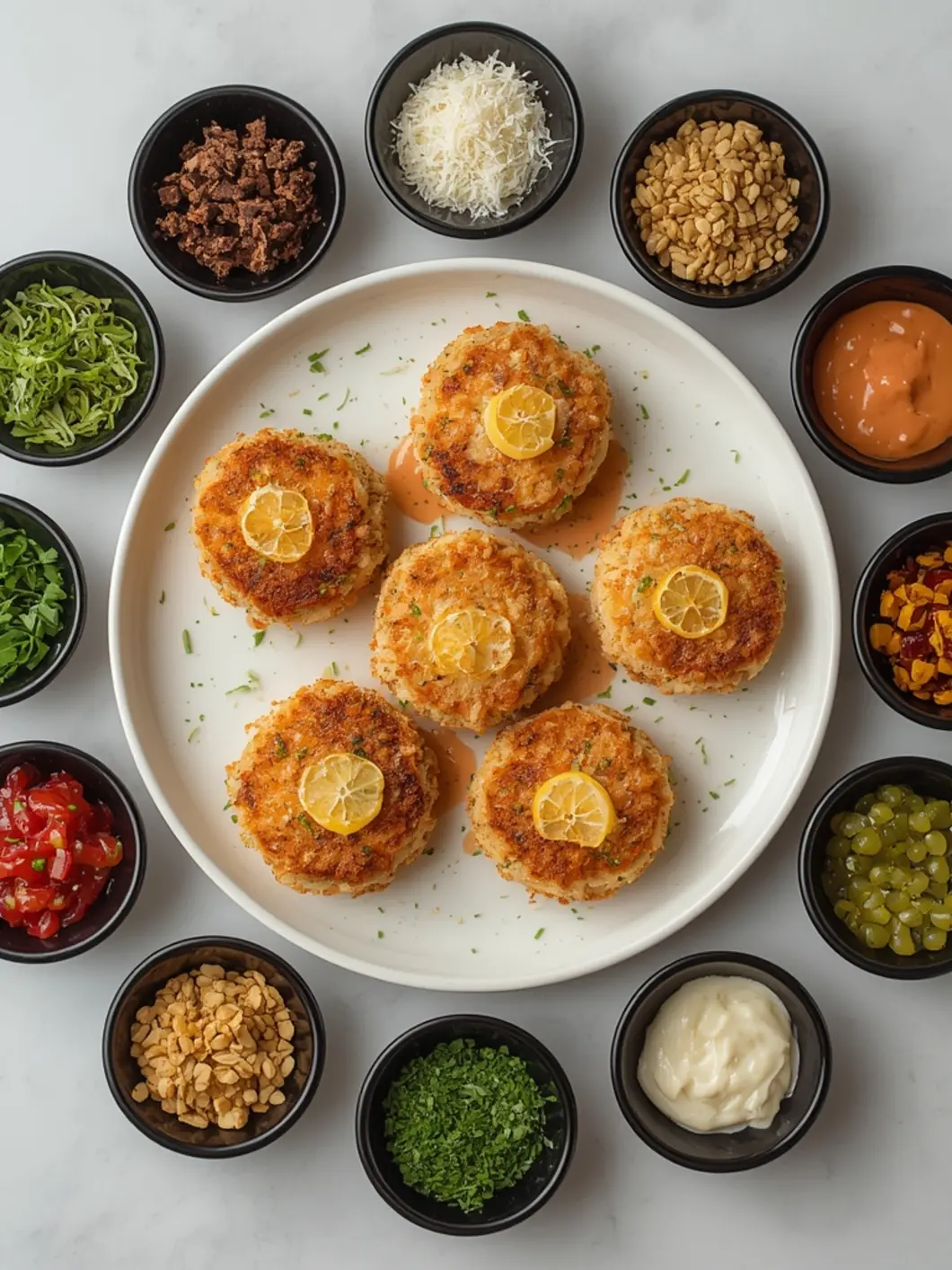
This crab cake recipe is wonderfully adaptable. If you’re looking for a lighter, gluten-free version, you can substitute the panko with crushed gluten-free crackers or almond flour. The result is a slightly different texture but equally delicious. For an extra kick of flavor, consider adding a small amount of finely minced jalapeño or a dash of your favorite hot sauce to the mixture.
When it comes to serving, the options are nearly endless. These are fantastic seafood appetizers for a party. Serve them on small brioche buns with a swipe of spicy mayo for a mini-crab sandwich experience. For a more elegant presentation, place a single large crab cake on a bed of arugula with a lemon-herb vinaigrette. They also pair beautifully with roasted asparagus or a simple cucumber salad for a complete meal. Don’t forget the classic pairing: tartar sauce and a fresh lemon wedge.
Common Cooking Mistakes to Avoid
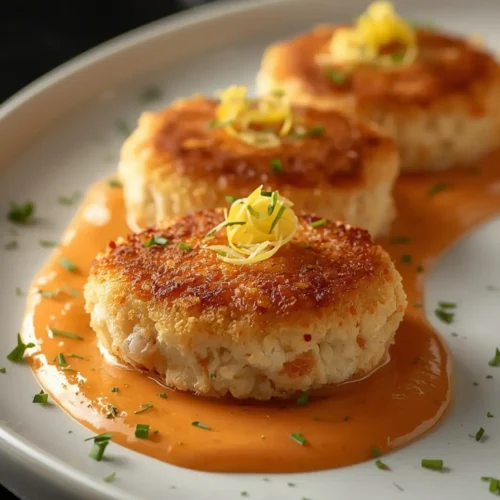
One of the most common mistakes is using too much binder. While it might seem like you need more mayonnaise or egg to hold everything together, an excess of binder is what leads to a dense, bready texture instead of a light, flaky crab cake. Trust the measurements in this recipe; they are designed to complement, not overpower, the crab.
Another frequent error is over-mixing. When you stir the ingredients too vigorously, you break down the beautiful lumps of crab meat. This not only ruins the texture but can also make the crab cakes mushy. A gentle folding motion is all you need. Finally, skipping the chilling step is a recipe for disaster. Chilling the patties allows the binder to set and the crab cakes to firm up, preventing them from falling apart in the hot oil.
Storage & Reheating Tips
Leftover crab cakes store surprisingly well, making them a great option for meal prep. Allow them to cool completely, then place them in a single layer in an airtight container. They can be stored in the refrigerator for up to 3 days. For longer storage, you can freeze the uncooked patties on a baking sheet until solid, then transfer them to a freezer bag for up to 2 months.
To reheat, avoid the microwave if possible, as it tends to make them soggy. For the best results, reheat cooked crab cakes in an oven or toaster oven at 350°F (175°C) for about 10 minutes, or until warmed through and the exterior is crisp again. If reheating from frozen, add a few extra minutes to the cooking time. A non-stick skillet over medium heat also works well for reviving their crispy crust.
Conclusion
Creating exceptional crab cakes at home is entirely achievable with the right technique and quality ingredients. This recipe provides a clear, tested path to a crispy, golden-brown appetizer that highlights the sweet, delicate flavor of crab. Whether you’re planning an elegant dinner party or simply looking for a delicious new dish to add to your weekly rotation, these Old Bay crab cakes are a guaranteed crowd-pleaser. They represent the best of simple, flavor-forward cooking that makes the home kitchen so rewarding.
FAQs
Can I use imitation crab meat for this recipe?
While you can use imitation crab, the flavor and texture will be significantly different. This recipe is designed for the delicate texture of real lump crab meat. Imitation crab is made from fish paste and has a firmer, rubberier texture and a much milder flavor, so the final product will taste more like a fish cake than a traditional crab cake.
What is the best way to get crispy crab cakes?
The key is a combination of a few factors. First, use panko breadcrumbs for a lighter, crispier coating. Second, ensure your pan-frying oil is hot enough (a shimmering medium heat) before adding the cakes. Third, avoid overcrowding the pan, which can lower the oil temperature and lead to steaming instead of frying. Finally, for an oven method, using a wire rack allows air to circulate around the entire surface, promoting even browning.
How do I keep my crab cakes from falling apart?
This is a common concern with easy crab cakes. The solution lies in the binder and the chilling process. The mayonnaise-egg mixture acts as the glue, but the most crucial step is chilling the formed patties for at least 30 minutes before cooking. This firms them up significantly. Also, be gentle when you cook them—don’t flip them too early. Let a proper crust form before attempting to turn them.
Are these considered authentic Maryland crab cakes?
This recipe leans heavily into the Maryland style, which prioritizes crab meat over filler and uses Old Bay seasoning as the primary spice. True Maryland-style cakes are minimalist, allowing the sweet crab to be the star. Our recipe follows that philosophy, making it a great representation of this famous seafood appetizer.
What are some good side dishes for crab cakes?
Crab cakes are versatile and pair well with many sides. Classic options include coleslaw, a simple green salad with vinaigrette, or roasted potatoes. For a more festive meal, serve them alongside corn on the cob or a light pasta salad. They also work wonderfully as part of a larger spread of party food ideas.
Crispy Old Bay Crab Cakes
Equipment
- Large Skillet
- Mixing Bowl
Ingredients
Main Ingredients
- 1 lb fresh lump crab meat picked over for shells
- 1 cup Panko breadcrumbs divided
- 2 tbsp Old Bay seasoning divided
- 1 large egg beaten
- 1/2 cup mayonnaise real, not Miracle Whip
- 2 tbsp fresh parsley chopped
- 1 tbsp Dijon mustard grainy
- 1 tsp Worcestershire sauce
- 1 tbsp butter for frying
- 1 tbsp olive oil for frying
Instructions
- In a large mixing bowl, gently combine the egg, mayonnaise, 1 tbsp Old Bay, Dijon mustard, Worcestershire, and parsley until smooth.
- Add 1/2 cup of Panko breadcrumbs and fold in carefully, followed by the lump crab meat. Mix just until combined—do not overwork or the crab will break down.
- Form mixture into 8 equal patties, about 3/4-inch thick. Coat lightly in remaining Panko breadcrumbs. Chill for 15 minutes to firm up.
- Heat butter and olive oil in a large skillet over medium heat. Add crab cakes in batches, cooking 3-4 minutes per side until golden brown and crispy.
- Transfer to a paper towel-lined plate and serve hot with tartar sauce or fresh lemon wedges.