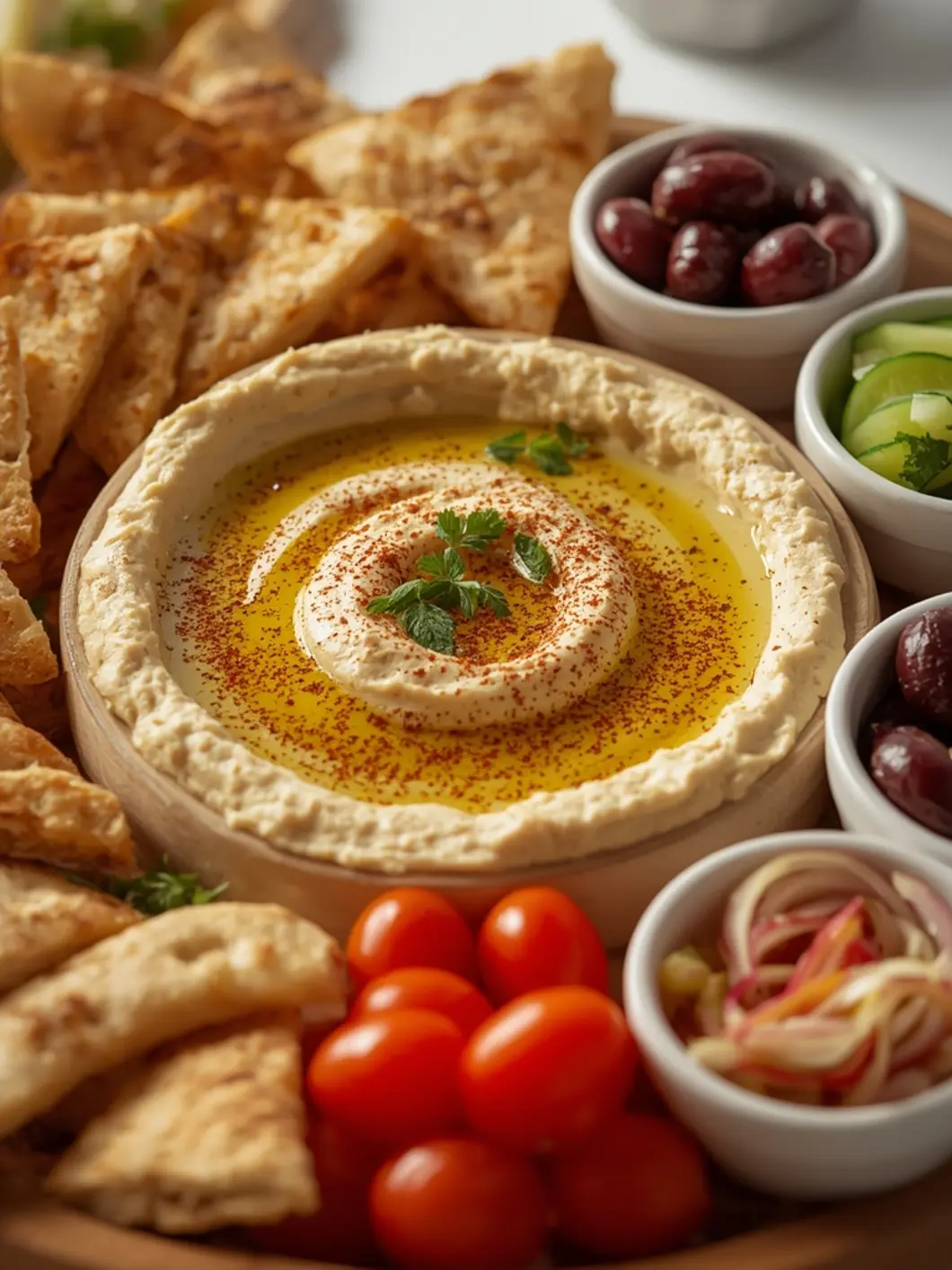
The easiest, most satisfying appetizer I make for last-minute gatherings is this 15-minute hummus platter. It requires absolutely no cooking, yet feels generous and vibrant. Over the years, I’ve found that a well-assembled Hummus Platter solves the universal problem of “what to bring” better than almost any complex recipe could.
Ingredients & Equipment
You don’t need fancy gear for this, just a few basics. I use a large cutting board or a rimmed baking sheet as my base. For the hummus, high-quality canned chickpeas are my secret weapon; I rinse them thoroughly and pat them dry to ensure the smoothest texture.
Olive oil is non-negotiable here. Use a good extra-virgin variety for drizzling over the top. I also keep fresh lemon juice, garlic, and tahini on hand. The tahini acts as the creamy binder, giving the dip a rich, nutty flavor that store-bought versions often lack.
For the platter accompaniments, fresh vegetables add crunch and color. Think cucumber spears, cherry tomatoes, bell pepper strips, and carrot sticks. On the carb side, I love pita bread or sturdy crackers. These hold up well against the thick hummus without breaking.
Equipment-wise, a food processor makes quick work of the hummus. If you don’t have one, a blender works too, though you may need to scrape down the sides more often. A sharp knife for chopping veggies and a small jar for storing leftovers are all you really need to get started.
Prep & Cook Time
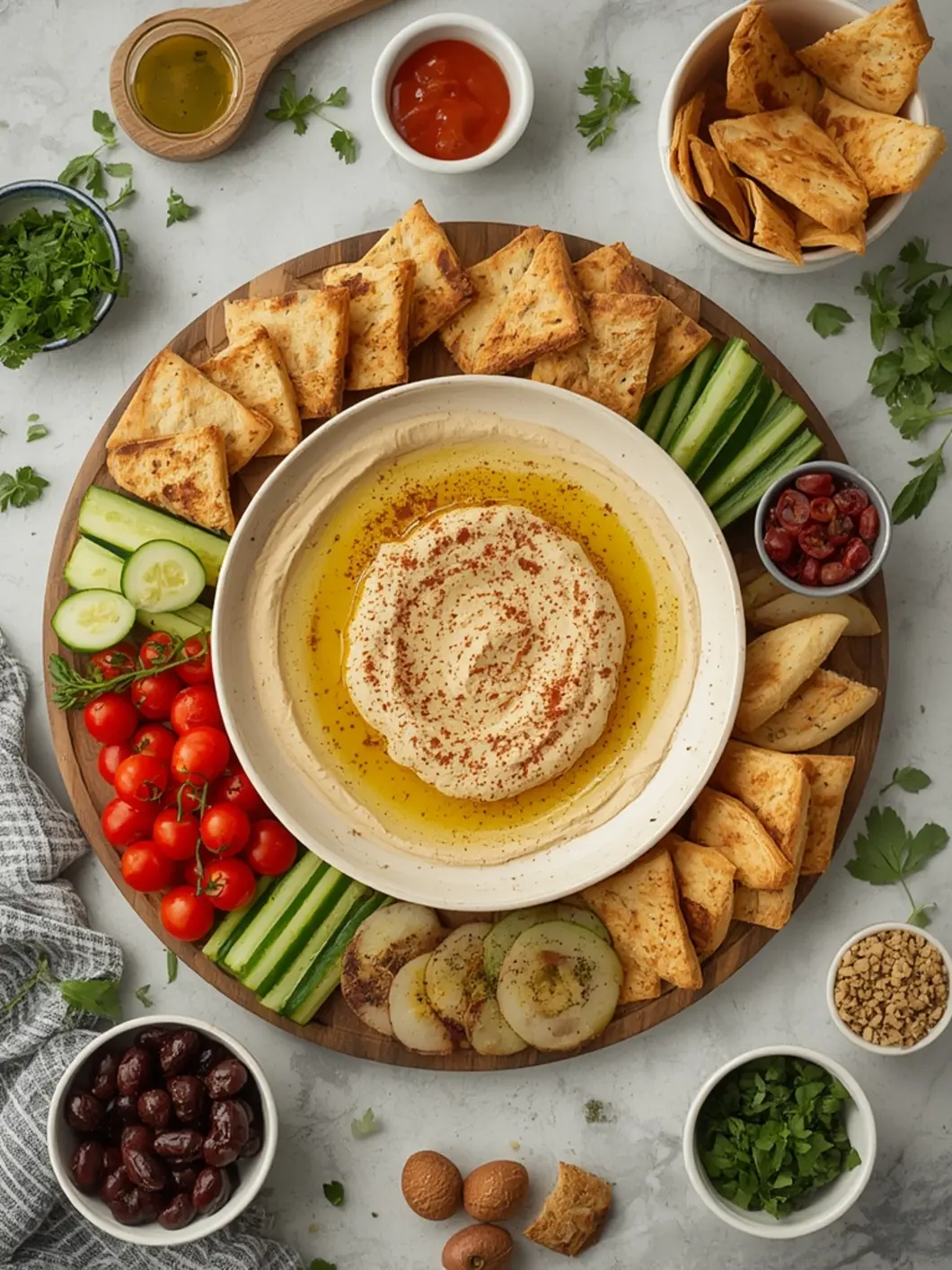
The beauty of this recipe is its speed. You will spend about 10 minutes preparing the ingredients and another 5 minutes arranging everything on the board. There is no bake time because everything is served fresh and raw, making it perfect for warm weather or when you have a tight schedule.
Difficulty level is minimal. It is essentially assembly work. Even if you are new to the kitchen, making a hummus platter is a forgiving entry point. The focus is on arranging items attractively rather than mastering complex cooking techniques. This makes it an ideal last-minute party appetizer.
Step-by-Step Instructions
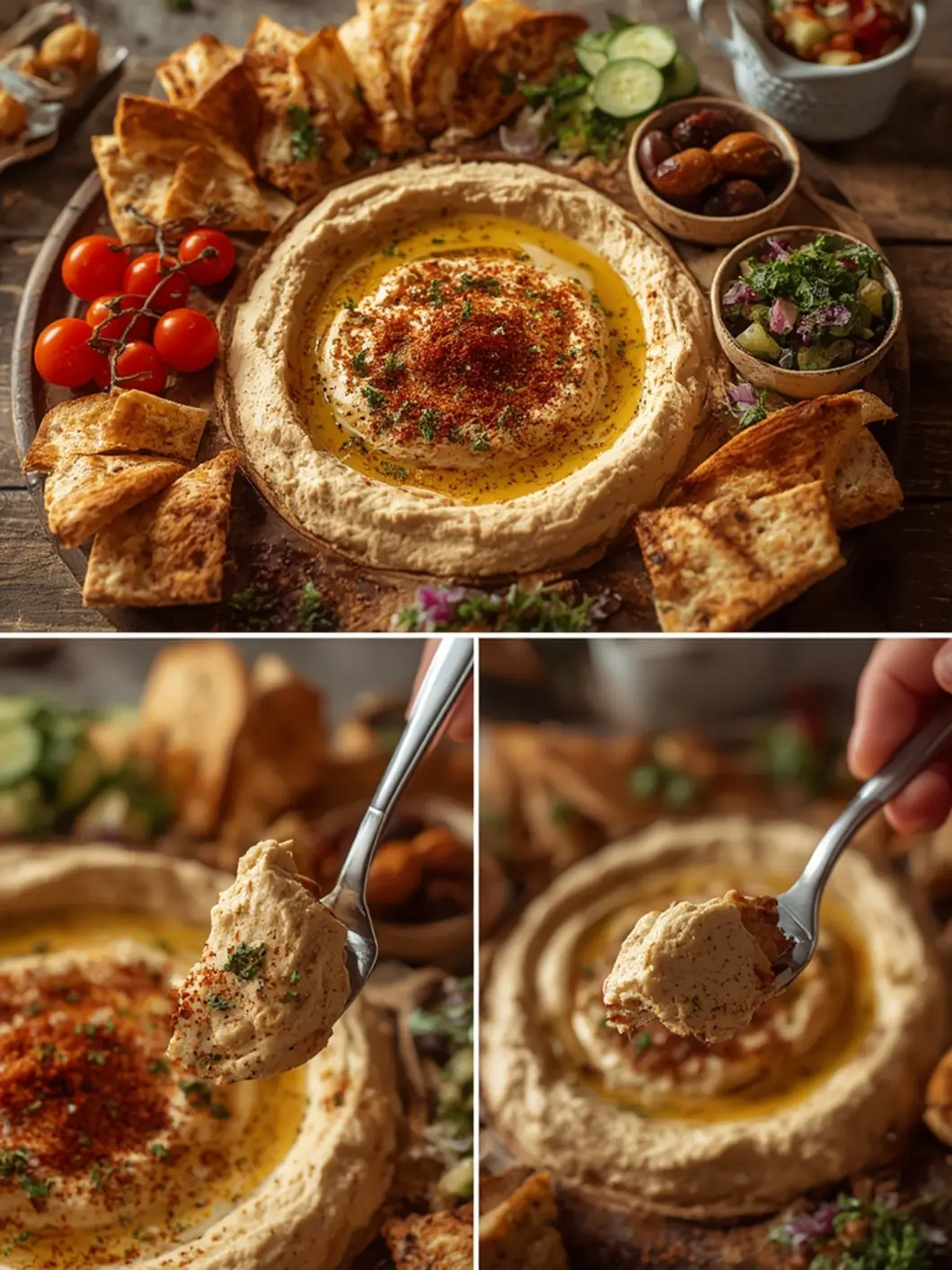
Start by making the hummus. In the bowl of a food processor, combine one can of drained chickpeas, two tablespoons of tahini, the juice of half a lemon, one garlic clove, and a pinch of salt. Pulse until the mixture begins to break down and look crumbly.
With the machine running, slowly drizzle in two tablespoons of ice-cold water. This is a trick I learned years ago; the cold water helps emulsify the fats and creates an incredibly smooth consistency. Continue processing for about 1-2 minutes until the hummus is silky. Taste and adjust salt or lemon as needed.
While the hummus rests in the fridge, chop your vegetables. Wash and slice cucumber, halve cherry tomatoes, and slice bell peppers into strips. I like to keep the vegetables dry to prevent them from wilting the hummus later on. Arrange these on a plate or in small bowls for easy access.
Now, assemble your board. Spoon the hummus into a shallow bowl or the center of your board. Use the back of a spoon to create a swirl on top—that’s where the olive oil will pool. Use a wide bowl for the hummus to give yourself a good surface area for toppings.
Surround the hummus with your vegetables and crackers or pita. I like to group items in piles or rows for visual appeal. If you want to get fancy, add olives or a sprinkle of paprika on the hummus. The platter should look abundant and welcoming.
Serve immediately. If you are prepping ahead, keep the veggies in airtight containers in the fridge and the hummus covered with plastic wrap touching the surface. Assemble just before guests arrive to keep everything fresh and crisp.
Why You’ll Love This Recipe / Health Benefits
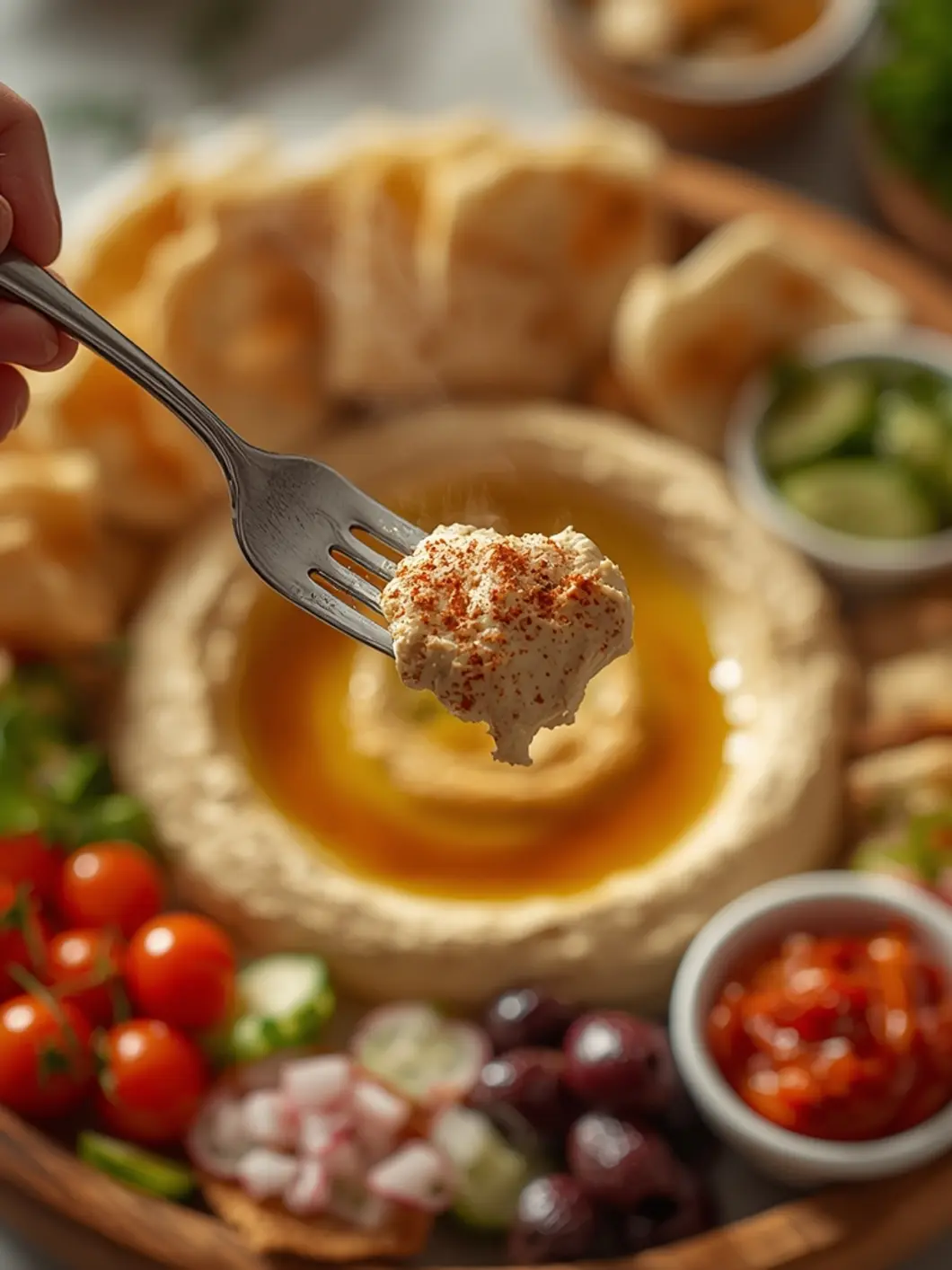
This platter is a nutritional powerhouse. Chickpeas are loaded with fiber and plant-based protein, which helps keep you full and stabilizes blood sugar. The olive oil provides heart-healthy monounsaturated fats, while the vegetables offer essential vitamins and antioxidants.
It is also incredibly versatile for dietary needs. It is naturally vegetarian and vegan, and easily gluten-free if you swap the pita for vegetable sticks or gluten-free crackers. Serving a balanced platter ensures everyone has something they can enjoy, regardless of restrictions.
A proper mediterranean platter isn’t just delicious; it promotes mindful eating. The variety of textures—from creamy hummus to crunchy vegetables—encourages slower consumption. This makes it a satisfying and healthy snack that doesn’t leave you feeling sluggish.
For busy parents or professionals, this is a fantastic way to hit nutritional goals without cooking a full meal. It doubles as a great party appetizer because it is visually appealing and easy to eat standing up. The balance of fats, proteins, and complex carbs makes it a sustained energy source.
Variations, Substitutions, or Serving Suggestions
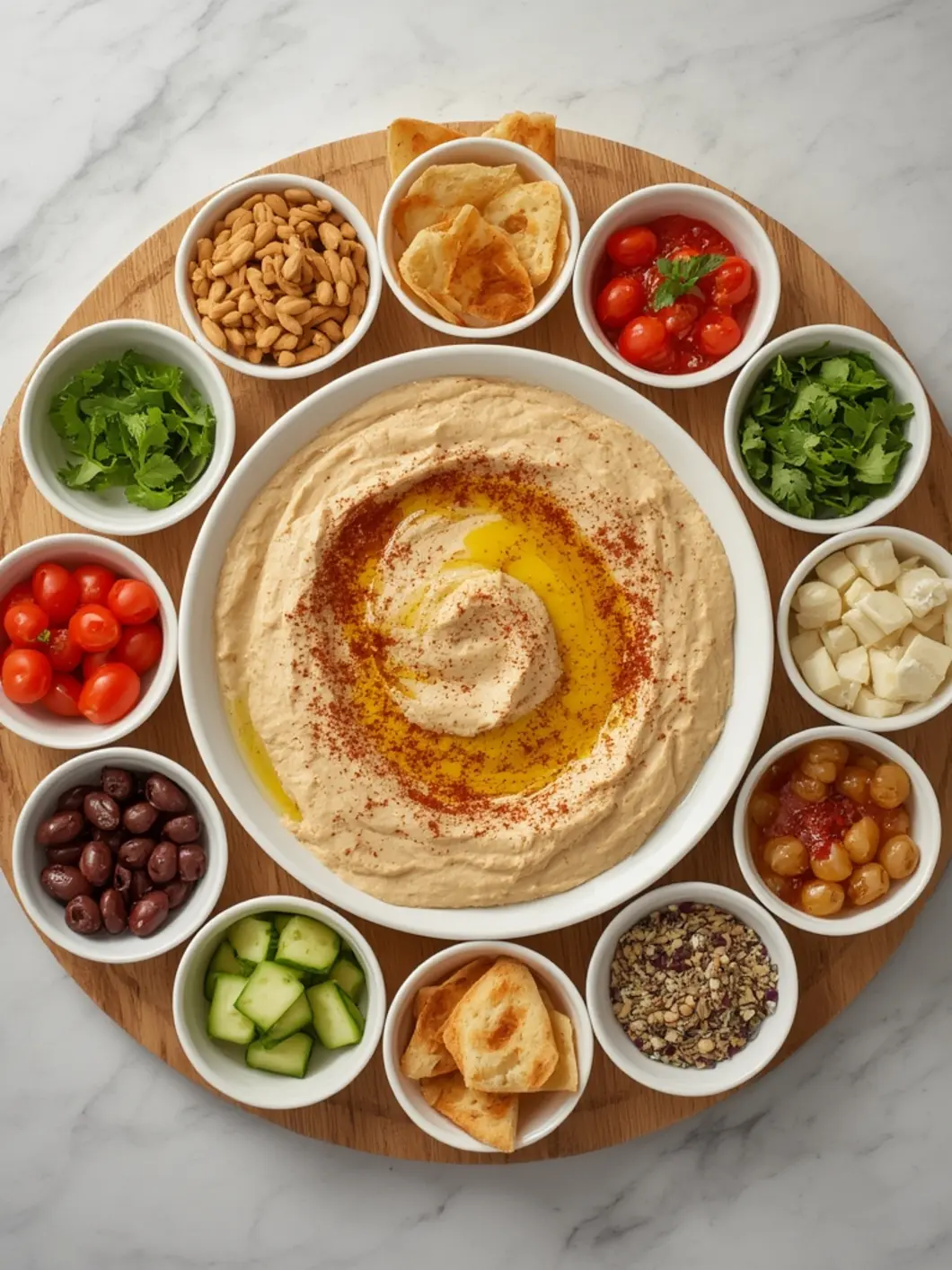
If you want to change the flavor profile of your hummus, add roasted red peppers or a teaspoon of cumin. For a spicy kick, toss in a pinch of cayenne pepper or a roasted jalapeño. These variations keep the base recipe exciting without complicating the process.
Don’t feel restricted to standard veggies. Try radishes, sugar snap peas, or blanched asparagus spears for different seasons. I have even used roasted sweet potato cubes as a scoopable option, though that adds a brief cooking step if you prefer them warm.
For a heartier board, add olives, marinated feta, or pickled onions. These items add a briny contrast that cuts through the richness of the hummus. If you are looking for a quick no-bake dip upgrade, a drizzle of balsamic glaze or a sprinkle of za’atar works wonders.
You can also play with the “platter” aspect. Instead of one large board, serve individual cups of hummus garnished with a lemon wedge and a few chickpeas. This is great for portion control and is perfect for a seated dinner party or a safe, individualized gathering.
If you need a dairy-free creamy element, serve a side of tzatziki (using dairy-free yogurt) or a simple tahini-lemon sauce. While this is a hummus platter, having a second dip option expands the variety and caters to different tastes without much extra work.
Common Cooking Mistakes to Avoid
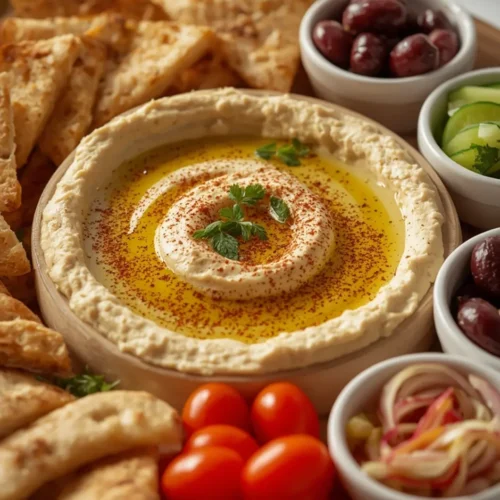
The biggest mistake when making a hummus platter is dry, bland hummus. This usually happens when you don’t use enough fat (tahini or olive oil) or liquid. Remember to use that ice water and don’t be afraid of the tahini—it’s essential for flavor and texture.
Another common error is serving everything cold from the fridge. Hummus tastes best when it sits at room temperature for about 15 minutes before serving. This allows the flavors to bloom. The vegetables can stay chilled, but let the hummus and any bread/pita warm up slightly.
Neglecting the presentation can make a healthy snack look unappetizing. Take the extra minute to swirl the hummus and wipe the rim of the bowl. A simple garnish of olive oil and parsley elevates a basic easy hummus board into something that looks professional.
Finally, overloading the platter can be counterintuitive. If you crowd too many items onto the board, the colors bleed together and it becomes difficult to navigate. Focus on a few high-quality components arranged with space between them for a more inviting and elegant look.
Storage & Reheating Tips
Store leftover hummus in an airtight container in the refrigerator. It will stay fresh for 3-4 days. If the surface dries out, just stir it well before serving. A thin layer of olive oil on top can help prevent oxidation and keep it moist.
Vegetables can be stored separately. However, avoid storing pre-cut vegetables for more than a day, as they lose their crunch and moisture. It’s best to store them whole and chop fresh leftovers as needed to maintain the quality of your healthy snack.
If you need to prep ahead, make the hummus up to two days in advance. Keep the vegetables whole and store them in damp paper towels inside plastic bags in the crisper drawer. Assemble the easy hummus board just before you plan to eat to preserve the textures.
Reheating is generally not necessary, as this is a cold platter. However, if your pita bread has gone stale or hard, you can refresh it in a toaster or oven at 350°F for a few minutes. Just ensure the hummus is back at room temperature before serving to ensure the best experience.
Conclusion
Creating an impressive appetizer doesn’t require heat, time, or stress. This no-bake hummus platter proves that simple ingredients, when combined with care, create the most satisfying results. It fits perfectly into a healthy vegetarian lifestyle while being indulgent enough for parties.
Whether you are hosting a large gathering or need a quick solo lunch, this board adapts to your needs. The versatility, nutrition, and ease of preparation make it a staple in my kitchen. I hope it finds a permanent place in yours as well.
Remember, the best food is shared food. A vibrant platter invites conversation and lingering, creating memories that go beyond the meal itself. It is a testament to how good, wholesome ingredients can bring people together effortlessly.
Start with this base recipe, and let your creativity guide the variations. Whether you stick to the classic version or try a new flavor twist, you are serving something made with love and genuine care for good food.
FAQs
How far in advance can I assemble a hummus platter?
You can prep components a day ahead, but assemble the actual platter about an hour before serving. This ensures the hummus is at room temperature and the vegetables remain crisp and fresh.
Can I use store-bought hummus for this platter?
Yes, absolutely. While homemade hummus is fresher, a high-quality store-bought version is a great shortcut. To elevate it, give it a stir and top it generously with olive oil and spices to mimic the presentation of a fresh batch.
What are the best vegetables for a no-bake dip platter?
Crunchy vegetables work best. Cucumbers, carrots, bell peppers, radishes, and snap peas are all excellent choices because they provide a satisfying texture contrast to the creamy hummus and hold up well over time.
Is this a good option for a healthy snack?
Yes, it is an excellent source of plant-based protein and fiber. Pairing hummus with fresh vegetables rather than just chips or pita bread increases the nutritional value significantly, making it a filling yet nutrient-dense option.
How do I keep my easy hummus board from looking boring?
Use a variety of colors and shapes. Mix round tomatoes with long carrot sticks and spears of cucumber. Use a contrasting bowl for the hummus and garnish with fresh herbs or a sprinkle of paprika for a pop of color and flavor.
Easy Hummus Platter (No-Bake, 15-Minute Appetizer)
Equipment
- Cutting Board
- Sharp knife
- Small Bowls
- Large Platter
Ingredients
Main Ingredients
- 1 cup Classic Hummus store-bought or homemade
- 1 large Cucumber sliced into rounds
- 2 medium Carrots sliced into sticks
- 1 cup Cherry Tomatoes halved
- 4 oz Feta Cheese crumbled or cubed
- 1 package Pita Bread or Crackers toasted if desired
Garnishes
- 1 tbsp Olive Oil extra virgin
- 1 tsp Paprika or Sumac for sprinkling
- 2 tbsp Fresh Parsley chopped, optional
Instructions
- Prepare your serving platter by arranging the main hummus bowl in the center. This will be the anchor for your entire arrangement.
- If using store-bought hummus, transfer it to a small bowl. If making homemade, ensure it’s ready and seasoned to your liking. Set aside.
- Wash and dry all fresh vegetables thoroughly. Slice the cucumber into rounds, cut carrots into sticks, and halve the cherry tomatoes.
- Cut the pita bread into triangles or prepare crackers. For a warm element, toast the pita lightly in a dry pan for 1-2 minutes per side until just golden.
- Arrange the fresh vegetables (cucumber, carrots, tomatoes) in separate sections around the central hummus bowl. Create colorful clusters.
- Add the feta cheese in clusters next to the vegetables. Place the pita triangles or crackers around the outer edge of the platter.
- Drizzle the hummus with a generous swirl of extra virgin olive oil. Sprinkle with paprika or sumac and chopped fresh parsley for color and flavor.
- Serve immediately or cover loosely with plastic wrap and refrigerate for up to 30 minutes before serving to keep vegetables crisp.